Preparing your living space for the cold months ahead is one of the most effective ways to protect your property investment, maintain cozy indoor temperatures, and prevent costly structural damage. As thermal conditions drop and harsh weather elements set in, small undetected vulnerabilities around your house can quickly turn into severe structural issues or expensive repairs. A systematic approach to household readiness ensures that your family remains comfortable and safe throughout the drop in temperature while saving you significant money on energy bills.
Interior Climate and Thermal Efficiency

Calibrate and Service Heating Equipment
Before cold air settles in, ensure your heating system functions at peak output. Replace standard air filters to improve airflow and indoor air quality, which reduces stress on the furnace motor. Scheduling an annual inspection with a qualified technician helps catch worn components, gas line issues, or burner calibration problems early. Cleaning supply registers and keeping vents clear of furniture also ensures balanced heat distribution throughout every room.
- Vacuum out dust and lint built up inside floor registers and return vents.
- Test your thermostat responsiveness and consider upgrading to a programmable unit.
- Ensure that no flammable items are stored within three feet of heating appliances.
Additionally, pay close attention to the sound your system makes when starting up. Banging, squealing, or continuous clicking can point to failing belts, worn bearings, or ignition failure. Taking care of these mechanical indicators before severe weather strikes prevents sudden heat loss during sub-zero temperatures.
Conduct Insulation Checks and Energy Audits
Proper insulation acts as a primary shield against cold drafts and energy loss. Inspect your attic floor to verify that insulation layers are thick and evenly distributed without damp spots or gaps. Attaching insulating blankets to your water heater and wrapping exposed hot water pipes in unheated basements will decrease heat loss and reduce water heating expenditure during freezing periods.
- Measure attic insulation depth to ensure it meets current recommended levels.
- Seal access hatches leading to cold attics or crawlspaces with foam board insulation.
- Insulate exterior wall outlets using pre-cut foam gaskets behind faceplates.
Conducting a professional energy audit can reveal invisible air leaks throughout your building envelope. Technicians use specialized blower door tests and thermal imaging cameras to pinpoint exactly where warm air escapes. Fixing these hidden gaps can significantly trim your monthly heating expenses.
Seals for Windows and Doors
Drafty entryways and window frames allow warmth to escape while letting cold air penetrate your living quarters. Apply fresh exterior silicone caulk along outer window frames, and replace worn weatherstripping on all entry doors. Installing temporary plastic window insulation kits in older homes provides an extra barrier against biting winds, lowering your utility bills.
- Check door sweep conditions and replace any brittle or cracked rubber seals.
- Apply clear removable caulk around drafty window sashes for seasonal protection.
- Hang thick thermal curtains over large glass doors to trap radiant warmth inside.
Do not overlook small basement windows or garage entry doors during your sealing process. Cold air entering low-level access points will quickly draw heat away from floorboards above, creating uncomfortably cold floors throughout your primary living spaces.
Exterior Structural Readiness
Clear Drainage Channels and Inspect Gutters
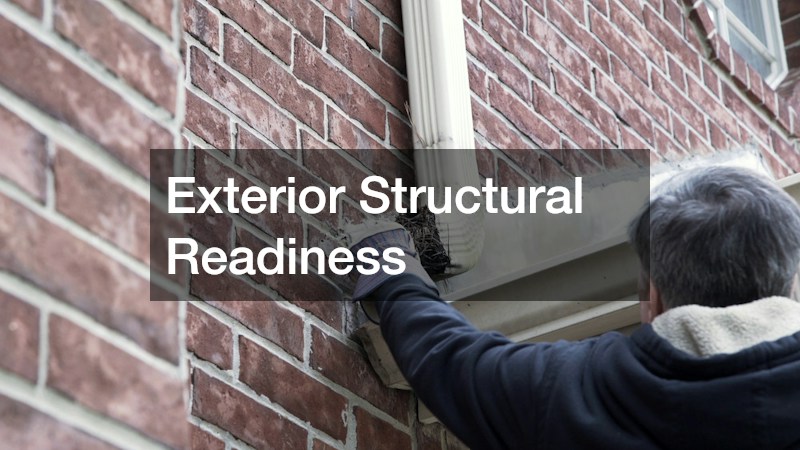
Falling autumn leaves and debris can quickly clog your gutter system, blocking proper drainage. Clean out all gutters and downspouts thoroughly so meltwater flows freely away from your foundation. Extending downspout splash blocks at least five feet from the foundation wall prevents pooling water from freezing, which can cause foundation cracking and soil shifting.
- Remove leaves, pine needles, and mud deposits from all elevated channels.
- Flush downspouts with a hose to verify unobstructed water flow.
- Install sturdy gutter guards to minimize future debris accumulation over winter.
When water gets trapped inside clogged channels, it expands as it freezes and pulls gutter hangers away from fascia boards. This structural damage can lead to overflowing water running down exterior walls, damaging paint and rotting wood trim.
Evaluate Overhead Protection Systems
A thorough inspection of your overhead protection system is essential before winter storms deliver heavy snow and ice loads. Inspect the upper structure for missing shingles, damaged flashing, or moss buildup that signals trapped moisture underneath. Professional roof repair services ensure minor leaks are completely sealed before freezing rain causes widespread ceiling damage inside.
- Look for curled, cracked, or missing asphalt shingles across all slopes.
- Inspect rubber boots around plumbing vent pipes for cracks or sun degradation.
- Clear away accumulated leaves from valleys where moisture gathers.
Catching upper vulnerabilities early preserves the structural integrity of your roof deck. When water penetrates shingle layers, it quickly rots structural plywood underneath, turning simple surface fixes into costly structural rebuilds.
Engage Specialized Professional Inspection
When complex overhead issues arise, tackling them without proper training and safety equipment poses severe hazards. Hiring skilled roofing contractors guarantees a detailed structural check of high ridges, valleys, and chimney flashing. These professionals can replace compromised materials quickly, preventing water intrusion that often leads to interior mold growth during damp winter months.
- Request a comprehensive attic inspection to look for dark water stains.
- Verify that soffit and ridge vents remain clear for proper attic airflow.
- Ensure ice shield membrane coverage is adequate along all low-sloped edges.
Professional inspectors also evaluate structural weight capacity, ensuring your roof can handle heavy winter snow accumulation without sagging or cracking structural trusses.
Ground Surface and Masonry Care

Fill Driveway Cracks and Surface Spalls
Moisture that penetrates unsealed ground surfaces will expand as it freezes, breaking open larger gaps and compromising the structural base. Completing targeted asphalt crack repairs before the first freeze prevents water from entering the subbase and causing severe buckling. Applying a high-grade elastomeric filler stops small surface fractures from expanding into costly potholes over the winter season.
- Clean dirt and weeds out of surface cracks using a wire brush before sealing.
- Apply hot-pour or cold-pour rubberized crack filler evenly along gaps.
- Sealcoat the surrounding pavement area to block moisture penetration.
Ignoring minor surface fractures creates access points for sub-surface water pooling. Once water settles beneath your driveway base, repeated freeze-thaw cycles destroy soil stability, causing massive ground shifting and expensive surface destruction.
Maintain Heavy-Traffic Paved Passages
If your driveway shows extensive structural failure, surface scaling, or major drainage issues, simple patch jobs may not suffice. Scheduling comprehensive asphalt paving services during milder weather creates a resilient, smooth surface that resists snowplow scraping and severe freeze-thaw cycles. Properly laid surfaces ensure water sheds outward toward drainage ditches rather than pooling on your driveway.
- Establish proper slope gradients so meltwater runs safely away from structures.
- Compact underlying aggregate bases to handle heavy winter vehicle loads.
- Apply durable edge sealants along borders to prevent side cracking.
A fresh, properly engineered surface makes winter maintenance much easier. Smooth pavements allow snow shovels and plows to glide cleanly over the surface without catching on jagged edges or tearing up loose stones.
Secure Exterior Brickwork and Mortar
Masonry structures suffer when moisture enters small gaps in mortar joints, expanding during freeze cycles and causing bricks to spall or loosen. Inspect your home chimney, foundation walls, and brick walkways for flaking materials or cracked mortar. Timely brick masonry repair stops water infiltration, preserves structural stability, and retains the classic aesthetic appeal of your home exterior.
- Tuckpoint crumbling mortar joints using fresh weather-resistant mortar compounds.
- Apply clear breathable water repellent over exposed exterior brick surfaces.
- Inspect chimney caps and crowns for structural cracks that admit rain.
Keeping your brickwork sealed stops dampness from penetrating interior wall cavities. Once moisture passes through exterior masonry, it can destroy internal insulation, rot wood framing, and promote toxic mold colonies.
Hydraulic and Wastewater Systems

Flush and Protect Household Pipes
Freezing temperatures create severe risks for interior plumbing pipes, especially those running through unheated spaces like garages, crawlspaces, and exterior walls. Shut off external water valves, disconnect garden hoses, and drain exterior faucets completely before temperatures drop below freezing. Insulate accessible interior pipes with foam sleeves to prevent catastrophic freeze-ups and bursting pipes.
- Remove and store all garden hoses in a temperature-controlled shed or garage.
- Install foam protective covers over external hose bibs to block freezing winds.
- Open cabinet doors beneath sinks on outer walls to let warm air circulate.
During extreme cold snaps, setting interior faucets to a slow drip relieves built-up hydraulic pressure inside supply lines. Moving water takes much longer to freeze, giving your home an extra layer of protection during severe cold waves.
Prepare Underground Septic Tanks
Cold conditions can slow down biological decomposition within your outdoor waste system, leading to unexpected backups when household use increases over the holidays. Arranging professional septic repair ensures all lines, pumps, and baffles are clear of blockages before the ground freezes solid. Fixing small mechanical errors early prevents severe system failures during deep winter freezes.
- Inspect baffle tees to confirm waste flows smoothly into the main chamber.
- Check effluent filters for blockages that could cause sudden household backups.
- Ensure access risers are securely sealed against freezing surface runoff water.
Maintaining healthy bacterial activity inside your waste tank helps break down organic matter efficiently year-round. Avoiding harsh household chemicals during winter preserves these beneficial microbes when low temperatures slow natural digestion rates down.
Replace Aging Subsurface Units
If your underground waste handling system is outdated, structurally compromised, or failing capacity checks, winter conditions will only exacerbate the issue. Completing a full septic tank replacement before frozen ground makes excavation difficult saves you from major health hazards and emergency digging costs during the coldest months.
- Locate tanks precisely before deep soil freezing prevents access digging.
- Upgrade to durable concrete or heavy polyethylene underground storage tanks.
- Ensure modern drainfield piping is positioned below local frost lines.
Installing modern waste treatment components ensures your household operates without interruption throughout severe weather spells. Fresh installations eliminate environmental contamination risks caused by cracked, leaking tanks hidden beneath freezing ground.
Prepare for Urgent Plumbing Failures
Despite careful preparation, severe cold waves can still cause unexpected pipe breaks, water line ruptures, or baseline backups. Knowing where your main water shutoff valve is located allows you to react instantly when a pipe gives out. Keep the contact details for reliable emergency plumbing services posted near your utility board so help can be dispatched immediately during a crisis.
- Label the main water shutoff valve clearly so family members can locate it quickly.
- Test the main shutoff valve knob annually to confirm it turns easily without sticking.
- Keep pipe repair clamps and rubber patches in your basic home emergency kit.
Acting swiftly during a pipe burst minimizes structural water damage to floors, walls, and personal belongings. Knowing how to isolate water flow preserves your home structure while professional technicians travel to your property.
Electrical and Lighting Preparedness
Safeguard Indoor Electrical Circuits
Increased utility usage from space heaters, holiday lights, and continuous interior heating puts extra demands on your household breaker box. Check for flickering lights, warm switch plates, or frequently tripped breakers, which signal circuit overload risks. Hiring local electrical services allows an expert electrician to upgrade panels, install dedicated outlets for heavy appliances, and keep your home safe from electrical fires.
- Inspect extension cords for frayed insulation, exposed wires, or cracked plugs.
- Avoid plugging high-wattage space heaters into simple extension cords or power strips.
- Test Ground Fault Circuit Interrupter (GFCI) outlets in kitchens and bathrooms monthly.
Modern households use substantial power during cold periods, pushing older electrical panels to their physical limits. Upgrading your service capacity ensures all heating systems run smoothly without risking electrical fires or unexpected breaker trips.
Maintain Emergency Back-Up Power
Power outages are common during winter ice storms and high-wind events. Test your standby or portable generator to ensure it starts easily and runs smoothly under load. Store fresh fuel in approved containers away from living quarters, and verify that carbon monoxide detectors have fresh batteries to safely monitor indoor air while using auxiliary heating systems.
- Run portable generators outdoors at least twenty feet away from windows and doors.
- Change engine oil and spark plugs on standby generators according to service schedules.
- Keep extra heavy-duty extension cords ready to connect essential appliances safely.
Having reliable emergency power preserves food supplies, keeps sump pumps working, and maintains vital home heating equipment during extended municipal power grid blackouts caused by severe ice storms.
Elevate Exterior Illumination
Shorter daylight hours and icy paths create safety hazards around entry walkways and driveways. Upgrade exterior light fixtures with bright, energy-efficient LED bulbs, and set up motion-activated sensors along pathways. Good lighting helps visitors navigate slippery steps safely while deterring winter trespassers.
- Install solar or low-voltage landscape lighting along front walkways and stairs.
- Clean exterior light covers to ensure maximum brightness during dark evenings.
- Position spotlights to illuminate icy driveways and main property entry points clearly.
Well-lit outdoor walkways drastically lower slip-and-fall injuries for family members, delivery workers, and guests arriving during dark winter evenings.
Cooling System Winterization
Shut Down Outdoor Cooling Equipment
While winter prep focuses heavily on heating, neglecting your primary cooling components during cold weather leads to premature system failure. Clean off leaves, mud, and debris from outdoor condenser units, and shut off power at the external disconnect switch to prevent accidental startup. Placing a breathable cover over the unit shields fan blades and coils from falling ice without trapping rust-causing moisture.
- Clear away dead leaves, weeds, and tall grass from around the condenser base.
- Wash metal casing fins gently with a garden hose to remove summer dirt.
- Secure waterproof top covers tightly using heavy-duty bungees or tie-down straps.
Proper winterization stops moisture from pooling inside internal components, where it can freeze and rupture delicate copper coils or bend sensitive aluminum fins during deep freezes.
Schedule Maintenance for Cooling Units
Winter is an ideal time to address minor cooling issues that popped up during the summer season. Booking prompt air conditioner repairs during the offseason ensures your unit is fully restored, leak-free, and ready for efficient operation long before warm weather returns. Early servicing also helps you avoid seasonal technician backlogs and peak service rates.
- Inspect compressor wiring connections for signs of wear, burning, or corrosion.
- Check refrigerant lines for tiny oil leaks that signal fluid loss issues.
- Clean internal condensation lines to prevent blockages and algae growth next spring.
Completing cooling system maintenance while technicians have open schedules means faster response times, discounted rates, and total peace of mind when spring heat waves return unexpectedly.
Outdoor Property and Yard Maintenance
Trim Overhanging Tree Branches
Heavy snow accumulation and ice loads place extreme weight on dead or overgrown tree limbs, causing them to snap unexpectedly. Cut back limbs hanging directly over your roof, driveway, or power lines to prevent severe structural damage and utility outages. Clearing dead wood from mature trees minimizes property damage risks during high-wind winter storms.
- Cut back weak tree branches hanging within ten feet of your roof line.
- Hire certified arborists to handle tall trees located near overhead power lines.
- Inspect large trees for trunk hollows or fungal growth that indicates internal rot.
Proactive tree trimming prevents heavy branches from crashing down on shingles, vehicles, or outdoor structures during sudden winter blizzards.
Protect Outdoor Furniture and Tools
Store patio tables, chairs, grills, and lawnmowers in a dry shed, garage, or basement to shield them from rust and weather wear. Drain fuel from gas-powered tools or add a fuel stabilizer to protect the engine during months of inactivity. Cover larger garden features and statues with heavy-resistant tarps to prevent freeze cracking.
- Clean and dry all outdoor patio cushions before storing them inside protective bags.
- Scrape rust off metal garden tools and apply a light coat of oil to blades.
- Shut off water supply lines leading to garden fountains and irrigation systems.
Protecting your outdoor equipment from freezing moisture extends its usable lifespan, saving you hundreds of dollars in seasonal replacement costs each spring.
Prepare Snow Removal Equipment
Don’t wait for the first heavy snowstorm to check your shovels, ice scrapers, and snow blowers. Inspect shovel blades for cracks, purchase safe ice melt products in bulk, and test your snow blower to confirm the motor and augers function properly. Having snow removal tools ready prevents you from getting trapped in your home when major winter storms hit.
- Stock up on pet-safe ice melt products before store supplies run out.
- Replace worn snow blower spark plugs and fill the tank with fresh fuel.
- Keep ergonomic snow shovels stored near main exterior doors for quick access.
Being fully equipped with functional clearing tools lets you tackle heavy snowfall immediately, keeping driveways and walkways safe, clear, and easy to navigate all winter long.
Taking the time to carefully inspect, maintain, and upgrade your home before the cold season arrives protects your household from unexpected structural repairs and excessive heating bills. By following a thorough seasonal checklist—ranging from thermal sealing and structural protection to plumbing safety and system maintenance—you create a resilient, comfortable home environment. Thoughtful preparation keeps your living space warm, safe, and secure all winter long.