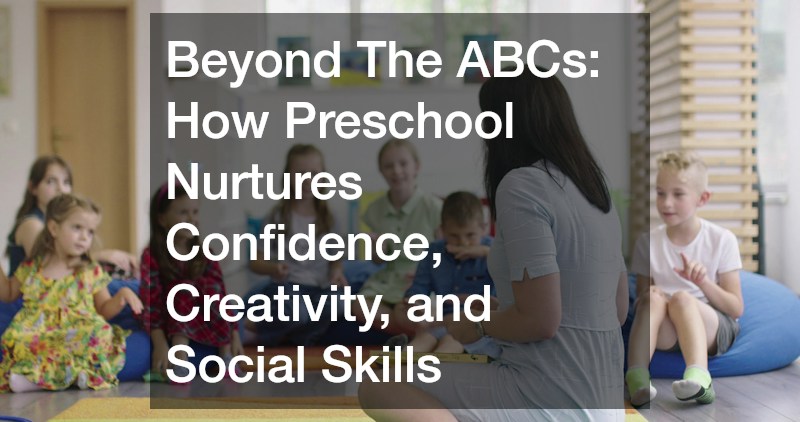
Preschool is an important milestone in a child’s early development, providing opportunities to explore, build relationships, and discover new interests. While learning letters, numbers, and basic academic concepts is valuable, early education involves much more than preparing children for kindergarten. Preschool helps young learners develop confidence, creativity, communication skills, and emotional awareness through meaningful everyday experiences. By combining structured learning with play and social interaction, preschool creates an environment where children can develop the foundational skills needed for future success.
Building Confidence Through Everyday Accomplishments
Confidence develops when children have opportunities to try new things, make decisions, and recognize their own progress. Top preschools encourage this growth by introducing age-appropriate activities that allow children to experience small but meaningful accomplishments. Whether completing a puzzle, participating in a group activity, or learning to put away classroom materials, children begin to recognize their abilities. Teachers can support this process by offering encouragement, celebrating effort, and allowing students to approach challenges at their own pace. These experiences help children become more comfortable exploring unfamiliar situations and expressing their ideas. Over time, preschool can provide a supportive foundation for independence, self-esteem, and a willingness to take on new challenges.
Encouraging Creativity Through Play
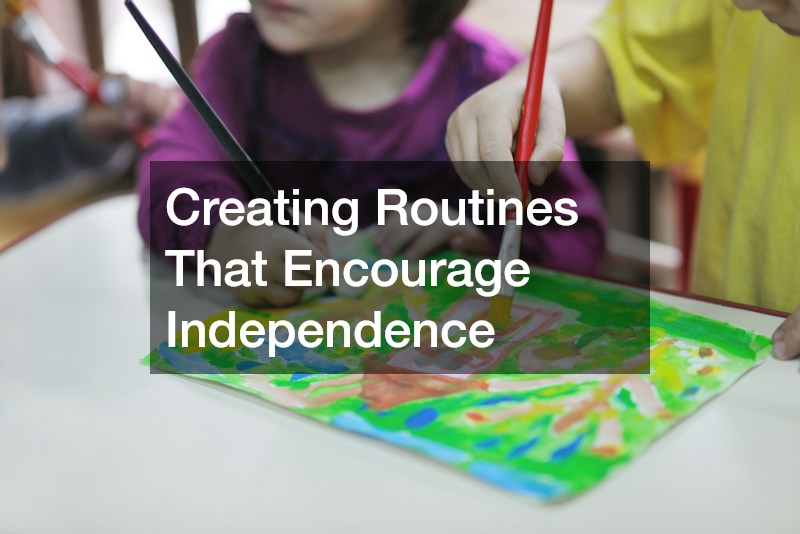
Creative exploration gives young children opportunities to express themselves while developing imagination and problem-solving skills. Preschool activities such as painting, building with blocks, storytelling, music, and dramatic play allow children to experiment with different ideas and materials. Rather than focusing exclusively on producing a specific result, creative activities encourage curiosity and personal expression. A child might turn a cardboard box into a spaceship, invent a story about imaginary characters, or discover new ways to combine colors. These experiences help children understand that there can be multiple approaches to a problem or task. By making creativity a regular part of the classroom, preschool programs nurture flexible thinking and encourage children to approach learning with enthusiasm.
Developing Social Skills Through Peer Interaction
Learning how to interact with others is one of the most valuable aspects of the preschool experience. In a classroom setting, children have regular opportunities to share materials, take turns, cooperate during activities, and communicate their needs. These everyday interactions help them understand how their actions affect others while developing the foundations of friendship and teamwork. Teachers can guide children through common social challenges, such as deciding who gets to use a particular toy or finding a way to include everyone in a game. With consistent practice and supportive guidance, children gradually become more comfortable navigating group situations. Developing these skills early can help children build positive relationships as they progress through school and other social environments.
Strengthening Emotional Awareness And Self-Regulation
Top preschools also give children opportunities to recognize emotions and practice responding to them in healthy, age-appropriate ways. Young learners may experience frustration when an activity becomes difficult or disappointment when something does not go as expected. Supportive educators help children identify their feelings, communicate what they need, and practice strategies for managing challenging moments. Classroom routines, calming activities, and guided conversations can provide predictable ways for children to work through emotions. These experiences help build emotional awareness and self-regulation over time. While children develop these abilities at different rates, a nurturing preschool environment can encourage them to express themselves, respond to others with greater understanding, and gradually develop more independence in managing everyday situations.
Making Learning Engaging Through Hands-On Activities
Young children often learn effectively when they can actively participate in experiences that connect to their interests and curiosity. Hands-on preschool activities provide opportunities to explore concepts through movement, observation, experimentation, and discovery. Sorting objects, observing plants, building structures, and participating in simple science activities can introduce foundational academic concepts in engaging ways. These experiences also encourage children to ask questions, make predictions, and explore possible answers. Instead of simply receiving information, children become active participants in the learning process. When lessons incorporate opportunities for discovery, preschool can help develop curiosity, attention, and a positive attitude toward learning that extends beyond the classroom.
Creating Routines That Encourage Independence
Consistent classroom routines help preschoolers understand expectations and develop confidence in handling everyday responsibilities. Activities such as hanging up a backpack, washing hands, choosing classroom materials, and cleaning up after playtime encourage children to practice independence. Predictable routines also help young learners feel more comfortable because they understand what to expect throughout the day. Teachers can introduce responsibilities gradually, providing guidance while allowing children to complete manageable tasks themselves. These opportunities help children develop organizational habits, decision-making skills, and a sense of responsibility. As children become more familiar with daily routines, they may feel increasingly prepared to navigate new environments and participate more independently in kindergarten and beyond.
Supporting Growth Through Family And Teacher Partnerships
Children benefit when families and preschool educators work together to support their development. Communication between caregivers and teachers can provide valuable insight into a child’s interests, strengths, and areas where additional encouragement may be helpful. Sharing classroom experiences, discussing developmental milestones, and maintaining consistent expectations can help children feel supported across different environments. Families can reinforce preschool learning by encouraging curiosity, conversation, creative activities, and age-appropriate responsibilities at home. These partnerships also allow teachers and families to celebrate progress and address concerns collaboratively. When children experience encouragement from the important adults in their lives, they can develop a stronger sense of belonging and confidence in their ability to learn and grow.
Top preschools offer far more than an introduction to letters and numbers. Through play, social interaction, creative exploration, and supportive routines, children develop confidence, emotional awareness, independence, and communication skills. These early experiences help establish a foundation for lifelong learning while allowing children to discover their individual strengths. By nurturing the whole child, preschool prepares young learners for new challenges both inside and outside the classroom.