Key takeaways
- Plan for every guest, including parents and siblings, and say clearly on the invitation whether parents should stay.
- Avoid nap times, end before dinner, and keep parties for young kids to about 90 minutes to two hours.
- Set up separate but nearby kid and adult zones so parents can relax while still watching their children.
- Serve build-your-own food that works for kids and adults, add grown-up snacks and drinks, and label common allergens.
- Mix free-play stations with one or two structured games, and recruit helpers to lead activities.
- Be clear about who is supervising, and assign one dedicated adult to watch any pool or water area.
- Keep it stress-free for yourself with a set budget, a simple prep timeline, comfortable seating, and easy cleanup.
Kids’ parties are supposed to be fun, but for the grown-ups, they can sometimes feel like a long afternoon of standing around, juggling paper plates, and trying to hear each other over the noise. With younger children especially, most parents stay for the whole party. That means you’re really hosting two groups at once: excited kids and adults who’d love a chance to relax.
The good news is that it’s easy to plan a party that works for everyone. With a few smart choices about timing, food, seating, and activities, you can keep the kids happily busy while giving parents a comfortable place to chat, snack, and enjoy themselves. A happy crowd of adults also makes the whole party feel more relaxed, which helps the kids have a better time too.
In this guide, you’ll find practical tips for planning a kids’ party that parents will actually look forward to. From setting up separate zones to choosing food both ages will love, these ideas will help you host with less stress and more fun.
1. Plan With Both Audiences in Mind
The first step is deciding who’s coming and what to expect. A common guideline for young kids’ parties is to invite about as many children as the child’s age, plus one. A 5-year-old might invite six friends. Older kids can usually handle bigger groups. Keep in mind that every child may bring one or two adults, and sometimes siblings, so plan your space, food, and seating for the full crowd.
Be clear on your invitations. Say whether parents are welcome to stay or whether it’s a drop-off party. If siblings are welcome, say so. Ask parents to RSVP by a certain date and to share any food allergies or dietary needs. Digital invitations through text or an online invite site make it easy to track replies and send reminders.
It also helps to choose a theme that’s easy for adults to enjoy too. A backyard picnic, a taco fiesta, a movie night, or a sports day can feel festive for kids without being too childish for grown-ups. Simple themes are also easier and cheaper to decorate.
- Plan for the total number of guests, including parents and siblings.
- Say clearly on the invite whether parents should stay.
- Ask about allergies and pick a theme adults can enjoy too.
2. Pick the Right Time and Keep It Short
Timing can make or break a kids’ party. For toddlers and preschoolers, avoid nap times, which usually fall in the early afternoon. Late morning, from about 10 a.m. to noon, often works well. For school-age kids, weekend afternoons are a popular choice. Think about the parents, too. A party that ends before dinner lets families get home and settled without a rush.
Keep the party short and sweet. About 90 minutes to two hours is usually perfect for young children. Any longer and kids tend to get tired, cranky, or overexcited, which isn’t fun for anyone. Older kids can handle up to three hours, especially if there’s a big activity like a movie or a game tournament.
Plan a loose schedule so the party flows smoothly. A common order is free play while guests arrive, a main activity, food, cake and singing, and then a calmer activity or goodbye time. Having a simple plan keeps things moving and helps parents know when to start gathering their kids.
- Avoid nap times for young children and end before dinner.
- Keep parties for little kids to about 90 minutes to two hours.
- Follow a simple schedule to keep the party flowing.
3. Set Up Separate Zones for Kids and Adults
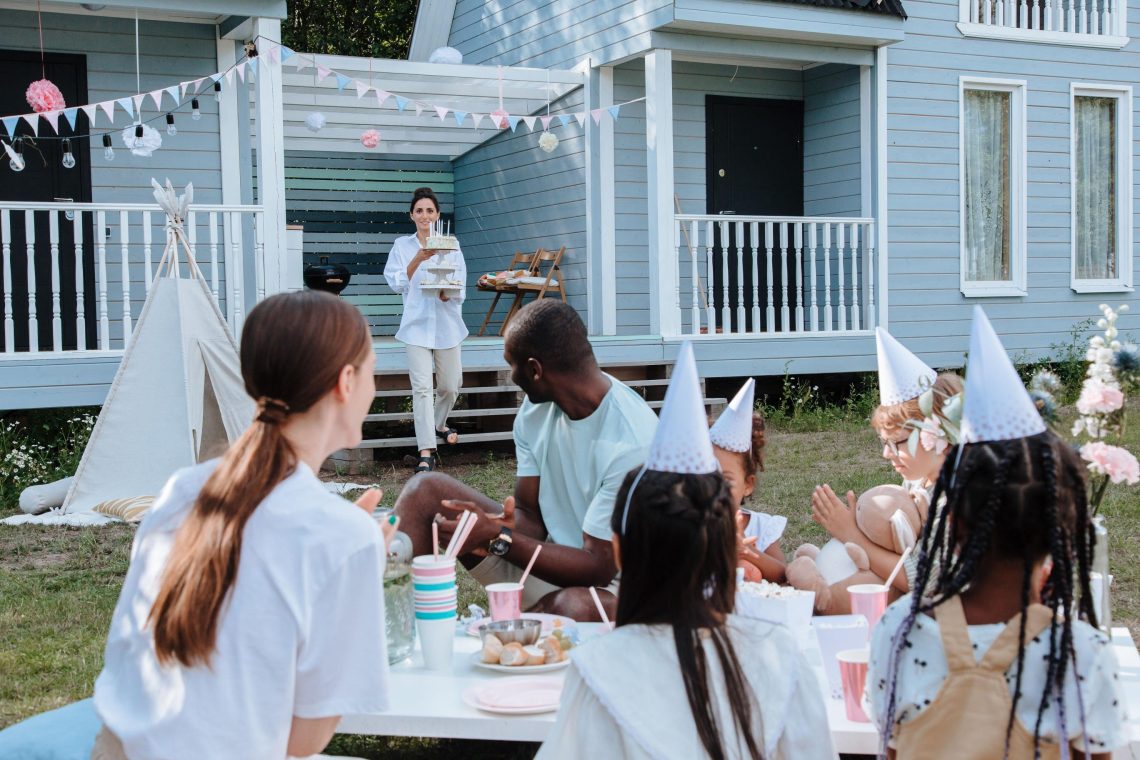
One of the best ways to keep everyone happy is to create separate areas for kids and grown-ups. Give the kids a play zone with games, crafts, or toys, and set up a nearby adult zone with comfortable seating, snacks, and drinks. The key is to place the adult area where parents can easily see their children while still talking with each other.
If you’re hosting outside, think about the layout the way you would for any larger outdoor event. In fact, many of the same ideas people use when learning how to plan a backyard wedding work well here: map out where each activity goes, create shade, plan a clear path to the restroom, and keep the food area away from busy play spaces. Pop-up canopies, patio umbrellas, and outdoor rugs can turn an ordinary yard into a welcoming party space.
Indoors, you can do the same thing on a smaller scale. Use the living room or a playroom for kids and the kitchen or dining area for adults. Clear away breakable items and close off rooms you don’t want guests to use.
- Create separate but connected kid and adult areas.
- Place adult seating where parents can watch their children.
- Use shade, rugs, and clear paths to make outdoor spaces comfortable.
4. Serve Food That Works for Kids and Grown-Ups
Parents often skip a meal to get their kids to a party on time, so serving food adults will enjoy is a simple way to make them feel welcome. The easiest approach is a build-your-own setup. Taco bars, pizza with a few gourmet options, slider stations, or baked potato bars let kids keep things plain while adults add extra toppings and flavor.
Add a few grown-up snacks to the adult zone, like a charcuterie board, hummus with veggies, a nice salad, or spinach dip. For kids, finger foods like fruit skewers, mini sandwiches, cheese cubes, and pretzels are easy to eat while playing. Plan for about one and a half servings per guest so you don’t run short.
Take food allergies seriously. Label every dish with common allergens like nuts, dairy, eggs, and gluten, and keep allergy-friendly options separate to avoid cross-contact. If a guest has a severe allergy, check with their parent ahead of time about what’s safe. For cake, cupcakes are often easier than a big sheet cake since they don’t need to be cut, and it’s simple to have a few allergy-friendly ones on hand.
- Choose build-your-own meals that please both kids and adults.
- Add a few grown-up snacks in the adult area.
- Label foods for allergens and check with parents about severe allergies.
5. Offer Drinks for Every Age
Drinks are an easy place to treat the adults. Set up a separate drink station in the grown-up zone with iced coffee, flavored sparkling water, fresh lemonade, or iced tea. A simple mocktail, like sparkling water with fruit and herbs in a big dispenser, feels special without much effort. In cold weather, a hot cocoa or coffee bar is always a hit.
Some hosts choose to offer beer or wine for adults, especially at afternoon parties. If you do, keep it low-key and limited, place it well away from where kids can reach it, and always have plenty of appealing non-alcoholic choices. Many parents will be driving and supervising young children, so don’t make alcohol the main attraction. Check local rules if you’re hosting in a public park, since many don’t allow alcohol.
For kids, keep it simple. Water, juice boxes, and milk are easy and cause fewer spills than open cups of sugary punch. Use cups with lids or write each child’s name on a cup with a marker so drinks don’t get mixed up or wasted.
- Set up a special drink station just for adults.
- If serving alcohol, keep it limited and out of kids’ reach.
- Use lidded or labeled cups for kids to reduce spills and waste.
6. Plan Entertainment That Keeps Kids Busy
When kids are happily busy, parents can actually relax. Plan a mix of activities so there’s always something to do. Free-play stations work well while guests arrive, like a craft table, sidewalk chalk, bubbles, or building blocks. Then add one or two structured activities, such as a scavenger hunt, relay races, freeze dance, or a piñata.
Consider hiring help if your budget allows. A face painter, balloon artist, magician, or teenage helper can lead games while you handle food and guests. Even having one or two older kids or a trusted friend run activities frees you up to say hello and keep things on track.
Adults can join the fun too, if they want. Simple games like a parents-versus-kids tug-of-war, a trivia game, or a family photo booth with props give grown-ups a reason to laugh and connect. Just keep adult participation optional so no one feels pressured. Have a backup plan for bad weather, like moving games indoors or setting up a movie corner.
- Offer free-play stations plus one or two structured games.
- Hire or recruit helpers to lead activities.
- Add optional games or a photo booth that adults can enjoy too.
7. Keep Safety and Supervision Simple
When lots of adults are around, it’s easy for everyone to assume someone else is watching the kids. To avoid this, be clear about who is in charge. At drop-off parties, the host is responsible. When parents stay, it helps to say something friendly at the start, like, “Please keep an eye on your own little ones, and we’ll have helpers at each activity.”
Water needs extra attention. If you have a pool, hot tub, or even a kiddie pool, assign a specific adult to watch the water at all times, with no phone or distractions. Some families use a “water watcher” tag or lanyard and switch every 15 to 20 minutes. Keep pool gates closed and locked when swimming isn’t part of the plan.
Do a quick safety check before guests arrive. Lock away cleaning products, medicines, and sharp tools. Make sure trampolines and bounce houses are set up correctly and limit how many kids use them at once. Keep a basic first aid kit handy, along with sunscreen and bug spray for outdoor parties. Know where any guest’s allergy medicine, like an epinephrine auto-injector, is kept.
- Make it clear who is supervising the children.
- Assign a dedicated, distraction-free adult to watch any water.
- Childproof the space and keep a first aid kit nearby.
8. Add Comfort Touches for Parents
Small comforts can turn a so-so party into one parents remember fondly. Start with seating. Make sure there are enough chairs for most adults, plus a few spots in the shade. Borrow folding chairs from friends or rent them if needed. Nobody enjoys standing for two hours.
Think about what parents might need during the party. Set up a small station with hand wipes, sunscreen, napkins, and a phone charger. If you’re expecting babies or toddlers, a quiet corner or spare room for diaper changes or nursing is a thoughtful touch. Make sure the bathroom is stocked with extra toilet paper, hand soap, and paper towels, and clearly point guests to it.
Music can set a fun mood for everyone. Choose a playlist that mixes kid-friendly songs with upbeat tunes adults will enjoy, and keep the volume low enough for easy conversation. Finally, introduce parents who don’t know each other. A quick “You two both have kids in second grade” can spark a great conversation and help everyone feel welcome.
- Provide plenty of seating, including shaded spots.
- Set up a station with wipes, sunscreen, and a phone charger.
- Play family-friendly music and introduce parents to each other.
9. Keep It Stress-Free for You, Too
The host deserves to enjoy the party as well. Start by setting a budget and sticking to it. Decide what matters most, like food or entertainment, and spend less on the rest. Simple decorations like balloons, streamers, and a themed tablecloth go a long way. Skip expensive goody bags and send kids home with one small item, like a book, bubbles, or a craft they made at the party.
Make a timeline so you’re not rushing on the big day. Send invitations three to four weeks ahead. One week before, confirm RSVPs and order the cake. Two days before, shop for food and supplies. The day before, prep food, set up tables and decorations, and charge your phone or camera. Ask a friend or family member to help with setup, serving, or cleanup.
Plan for easy cleanup, too. Put out clearly marked trash and recycling bins, and line them with extra bags underneath. Use a plastic tablecloth on the food table and keep paper towels and wipes within reach. When the party ends, a simple “thanks for coming” at the door helps guests know it’s time to wrap up.
- Set a budget and focus spending on what matters most.
- Follow a simple prep timeline and ask for help.
- Set out trash bins and supplies to make cleanup easy.
Conclusion
A great kids’ party doesn’t have to leave the grown-ups bored or worn out. By planning for both audiences, keeping the party short, and creating separate but connected zones, you can give kids a blast while parents relax nearby. Food and drinks that adults enjoy, comfortable seating, and a few thoughtful touches make a big difference.
Safety and simple planning tie everything together. Be clear about supervision, take allergies seriously, and give yourself a prep timeline so the day feels calm instead of chaotic. Remember that the goal is fun, not perfection.
When parents feel welcome and comfortable, the whole party feels happier. Kids pick up on that relaxed mood, and you’ll get to enjoy the celebration too. With these tips, your next kids’ party might just become the one every family in the neighborhood talks about.