A home that functions effortlessly rarely draws attention to how much work is happening behind the scenes. Lights turn on, water flows, rooms stay comfortable, and outdoor spaces remain usable without most homeowners ever thinking about the systems making it all possible. At the same time, the visible upgrades that define a home’s character—expanded living areas, durable surfaces such as granite kitchen countertops, and well-designed outdoor features maintained with the help of a riding lawn mower—shape how the space is experienced every day.
What many homeowners eventually realize is that true comfort comes from the balance between what is seen and what remains hidden. Decisions like scheduling local land clearing services before a major project or investing in long-lasting interior upgrades have a ripple effect on the home’s efficiency and longevity. Understanding how these elements work together makes it easier to maintain a home that feels reliable, adaptable, and welcoming year after year.
1. What Are the Essential Hidden Systems in a Modern Home?
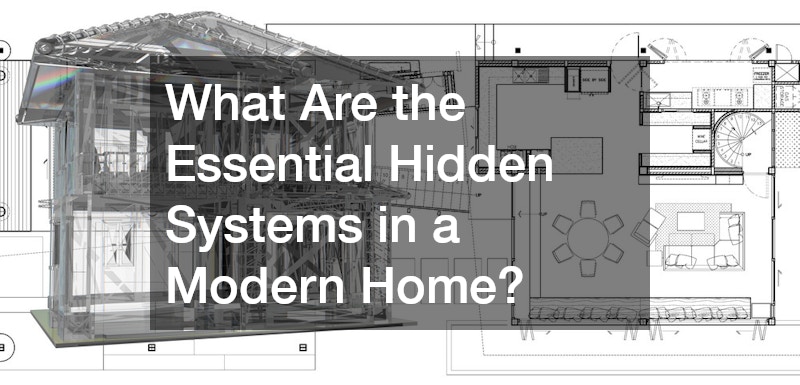
Hidden systems form the backbone of every modern home, quietly supporting daily life without demanding attention. When considering upgrades and renovations, many homeowners think of granite kitchen countertops or updated bathroom fixtures. However, it’s the electrical wiring, plumbing networks, and climate control systems that operate continuously, ensuring comfort, safety, and functionality across every room. When these systems are properly maintained, they fade into the background, allowing homeowners to focus on living rather than troubleshooting problems.
When neglected, however, these unseen components quickly make themselves known through inconvenience and expense. A single failure can disrupt routines and lead to costly repairs if left unchecked. Recognizing the importance of these foundational systems helps homeowners prioritize maintenance and plan upgrades with confidence.
1.1 Electrical Systems
Electrical systems power nearly every aspect of modern living, from basic lighting to advanced home automation. Behind walls and ceilings, a network of wiring, outlets, and circuit panels distributes electricity safely throughout the house. As households rely more heavily on technology, electrical systems must be capable of handling increased demand without compromising safety.
Older homes often require updates to support newer appliances and smart devices. Regular inspections help identify outdated components before they become hazards. A dependable electrical system ensures not only convenience but also peace of mind.
1.2 Plumbing Networks
Plumbing networks are responsible for delivering clean water while efficiently removing wastewater, all without disrupting daily routines. Pipes, valves, and drains work together to support everything from cooking and bathing to laundry and outdoor use. In some homes, plumbing includes a water well install, adding pumps and pressure systems that require careful planning and ongoing attention.
When properly maintained, plumbing systems remain reliable and unobtrusive. Small issues like reduced pressure or slow drainage can signal larger concerns if ignored. Routine maintenance protects water quality and helps prevent damage to walls, floors, and foundations.
1.3 HVAC Systems
Heating, ventilation, and air conditioning systems regulate indoor comfort throughout changing seasons. These systems rely on furnaces, air conditioners, ductwork, and controls that are rarely visible but constantly at work. When operating efficiently, HVAC systems create consistent temperatures and maintain healthy indoor air quality.
Without regular care, HVAC systems can become inefficient and costly to run. Dust buildup, worn components, and airflow restrictions gradually reduce performance. Consistent servicing keeps these systems running smoothly and extends their usable life.
2. How Do Plumbing Systems Function Behind the Walls?
Plumbing systems are among the most essential yet overlooked components of a home, quietly supporting daily routines without drawing attention to themselves. From morning showers to evening dishwashing, water moves through a carefully designed network of pipes that must balance pressure, flow, and drainage. When these systems are properly installed and maintained, they operate seamlessly, allowing homeowners to focus on comfort rather than concerns.
Problems arise when small issues are ignored or misunderstood. A slow drain or unexplained moisture can signal deeper concerns hidden behind walls or beneath floors. Understanding how plumbing systems function helps homeowners recognize when routine maintenance is sufficient and when professional attention is necessary.
2.1 Supply Lines
Supply lines deliver fresh water from the main source into the home and distribute it to fixtures, appliances, and outdoor connections. In homes that rely on a water well install, this system becomes even more critical, as pumps and pressure tanks must work in harmony to provide consistent water flow. Any disruption in these components can affect the entire household.
Over time, aging pipes or mineral buildup can reduce efficiency and increase the risk of leaks. Regular inspections help identify wear before it becomes a larger problem. Maintaining supply lines protects water quality while preserving the integrity of the home’s structure.
2.2 Drain-Waste-Vent Systems
Drain-waste-vent systems are responsible for removing wastewater while maintaining proper air pressure throughout the plumbing network. Vents allow air to enter the system, preventing slow drainage and unpleasant odors. This balance ensures that sinks, toilets, and showers function smoothly.
When blockages or improper venting occur, the entire system can be affected. Routine maintenance keeps wastewater flowing efficiently and reduces stress on pipes. A properly functioning DWV system is essential for both sanitation and long-term reliability. This goes hand-in-hand with regular septic system maintenance.
2.3 Leak Detection Technologies
Modern homes increasingly rely on leak detection technologies to protect against hidden damage. Sensors placed near plumbing components monitor moisture levels and alert homeowners at the first sign of trouble. This early warning system is particularly valuable in areas where leaks might otherwise go unnoticed.
By catching issues early, homeowners can avoid extensive repairs and costly water damage. Leak detection supports preventative maintenance rather than reactive fixes. This technology adds peace of mind while protecting the home’s hidden infrastructure.

3. What Upgrades Can Make an HVAC System More Efficient?
HVAC systems are central to indoor comfort, quietly regulating temperature and air quality throughout the year. As homes become more energy-conscious, efficiency upgrades have become a practical way to improve performance without sacrificing comfort. These improvements allow systems to adapt to changing conditions while using less energy.
Efficiency-focused upgrades, such as a new oil tank installation, also reduce wear on mechanical components. Systems that operate smoothly experience fewer breakdowns and last longer. Over time, these improvements translate into lower energy bills and greater reliability.
3.1 Smart Thermostats
Smart thermostats introduce a level of precision that traditional controls cannot match. By learning household routines, these devices automatically adjust temperatures to balance comfort and efficiency. Remote access allows homeowners to make adjustments even when they are away.
This adaptability reduces unnecessary heating and cooling. Over time, the cumulative energy savings become significant. Smart thermostats offer a simple yet impactful upgrade for modern homes.
3.2 Energy-Efficient Units
Modern HVAC units are designed with advanced technology that improves airflow and temperature regulation. These systems operate more efficiently than older models, delivering consistent comfort while consuming less energy. Upgrading outdated equipment often results in immediate improvements.
Many energy-efficient units qualify for rebates or incentives, making them more accessible. Long-term savings continue well beyond installation. These upgrades represent a forward-looking investment in comfort and sustainability.
3.3 Regular Maintenance and Inspections
Even the most advanced HVAC system requires regular maintenance to perform at its best. Routine inspections allow technicians to clean components, identify early signs of wear, and ensure proper airflow. Preventative care keeps systems running efficiently year after year.
Maintenance also helps homeowners avoid unexpected failures during extreme weather. Addressing small issues early prevents costly repairs later. Consistent servicing supports both performance and longevity.
4. How Does Home Insulation Improve Energy Efficiency?
Insulation is one of the most important contributors to a home’s comfort and efficiency, even though it remains completely out of sight once installed. By slowing the transfer of heat between the interior and exterior of the home, insulation helps maintain consistent indoor temperatures throughout the year. This stability reduces the strain placed on heating and cooling systems, allowing them to operate more efficiently and with less wear over time.
Homes with effective insulation tend to feel noticeably more comfortable, especially during seasonal transitions when outdoor temperatures fluctuate. Drafts are minimized, rooms maintain a more even temperature, and energy usage becomes more predictable. Over the long term, insulation plays a quiet but powerful role in lowering utility costs and supporting a more energy-conscious household.
4.1 Types of Insulation
Not all insulation serves the same purpose, and the right choice often depends on a home’s structure, climate, and existing systems. Materials such as fiberglass, foam, and cellulose each offer unique advantages in terms of coverage, durability, and performance. Selecting the appropriate type ensures that insulation works as intended rather than simply filling space.
Professional guidance is often helpful when determining which insulation is best suited for a specific area of the home. Proper installation matters just as much as material choice, as gaps or compression can significantly reduce effectiveness. When chosen and installed correctly, insulation becomes a long-term asset rather than a temporary fix.
4.2 Insulation Placement
Where insulation is placed can be just as important as what type is used. Attics, exterior walls, crawl spaces, and basements are common areas where heat loss occurs most frequently. Addressing these areas helps create a continuous thermal barrier that protects the home from extreme temperatures.
Strategic placement also helps protect hidden systems like plumbing and HVAC components from temperature-related stress. Pipes are less likely to freeze, and ductwork maintains efficiency more easily. Thoughtful insulation placement supports the entire home, not just individual rooms. Placing new insulation may require addressing issues with existing walls. In these instances, a local masonry contractor can prove to be invaluable.
4.3 Long-Term Benefits
The benefits of insulation extend well beyond immediate energy savings. Improved comfort, quieter interiors, and reduced moisture issues all contribute to a more pleasant living environment. Over time, these improvements can also enhance property value by making the home more appealing to future buyers.
Because insulation requires little maintenance once installed, it continues delivering value year after year. The initial investment often pays for itself through lower energy bills and fewer system repairs. Insulation remains one of the most effective upgrades a homeowner can make.

5. What Role Does Technology Play in Modern Home Security?
Home security has evolved far beyond traditional locks and alarms, becoming an integrated system that adapts to modern lifestyles. Today’s technology allows homeowners to monitor, manage, and respond to potential issues in real time, whether they are at home or away. This constant connectivity adds a sense of control that was once impossible.
Rather than relying on a single line of defense, modern security systems combine multiple layers of protection. Surveillance, controlled access, and automated alerts work together to safeguard both people and property. This integrated approach offers reassurance without requiring constant attention.
5.1 Surveillance Cameras
Surveillance cameras provide continuous visibility into key areas of the home, both inside and out. High-resolution footage allows homeowners to monitor activity clearly, while wide-angle views cover larger spaces more effectively. Cameras also serve as a visible deterrent, discouraging unwanted behavior before it occurs.
With remote access, homeowners can check live feeds or recorded footage at any time. This flexibility is especially valuable during travel or extended absences. Surveillance systems bring awareness and confidence into everyday life.
5.2 Smart Locks
Smart locks replace traditional keys with digital access systems that offer greater flexibility and control. Homeowners can grant or revoke access remotely, track usage, and eliminate concerns about lost or duplicated keys. These features make managing entry more convenient and secure.
Integration with other smart home systems allows locks to respond automatically to routines or alerts. This adaptability supports modern living while enhancing safety. Smart locks combine practicality with peace of mind.
5.3 Alarm Systems
Alarm systems remain a cornerstone of home security, providing immediate alerts when unauthorized access is detected. Modern alarms integrate with mobile devices, allowing homeowners to receive notifications and respond quickly. Many systems also connect directly to emergency services for faster intervention.
Regular testing and updates ensure these systems remain reliable. When combined with other security technologies, alarms contribute to a comprehensive protection strategy. This layered approach strengthens overall safety.
A home operates best when its hidden systems and visible upgrades function in harmony. Electrical wiring, plumbing networks, insulation, and HVAC systems quietly support daily life, while visible improvements, like scheduling local land clearing services, shape how spaces are used and enjoyed. Together, they form a foundation for long-term comfort.
Outdoor features such as retaining walls, proper oil tank installation, routine septic system maintenance, and thoughtful waste handling with a roll off dumpster protect the property as a whole. Maintaining lawns with a riding lawn mower and expanding living areas with a sunroom further enhance usability. When homeowners understand how these systems connect, they can make informed choices that keep their homes running smoothly for years to come.