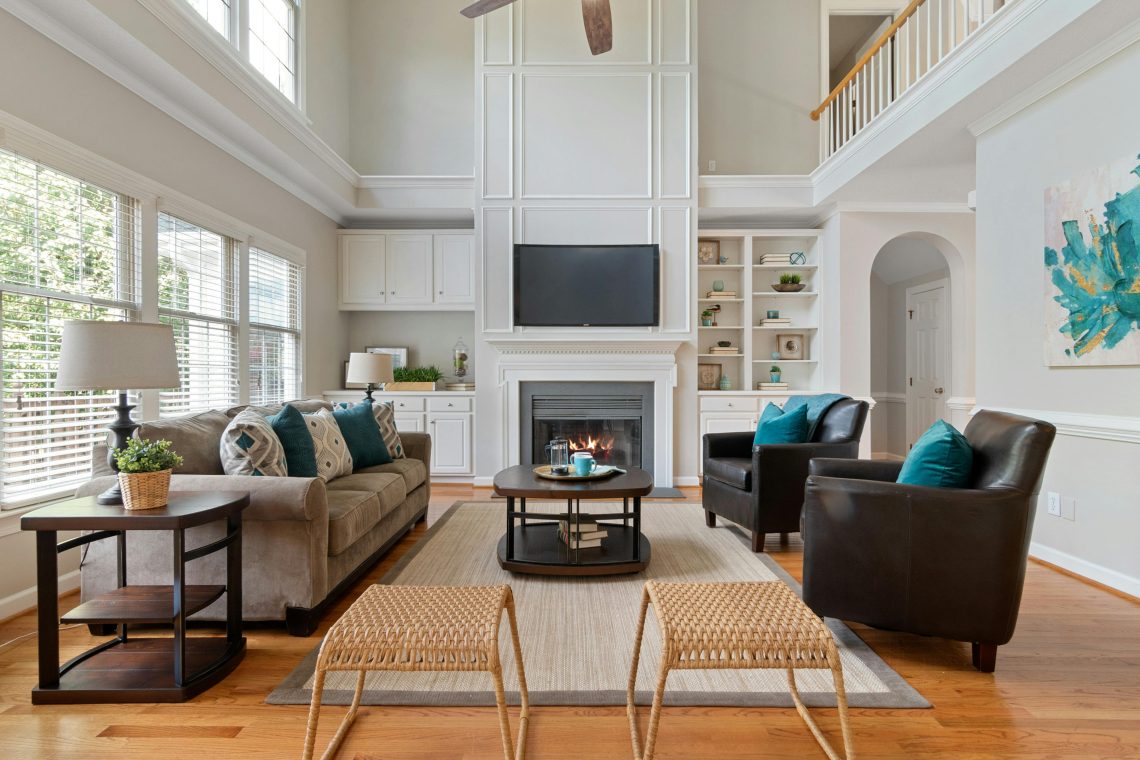
If you love the warmth of traditional design but also enjoy the clean look of modern spaces, transitional interior design might be the perfect style for you. It combines the best of both worlds—classic and contemporary—into one balanced and timeless look.
Transitional design is all about harmony. Instead of choosing one style over another, you blend elements from both to create a space that feels fresh, comfortable, and elegant.
In this guide, you’ll learn what transitional interior design is, why it works, and how to use it in your own home.
What Is Transitional Interior Design?
Transitional interior design is a mix of traditional and modern styles. It takes the warmth and detail of classic design and pairs it with the simplicity and clean lines of modern decor.
Key features of transitional design:
- Neutral color palettes
- A mix of old and new furniture
- Clean lines with soft edges
- Minimal but meaningful decor
- Focus on comfort and function
The goal is to create a space that feels balanced—not too formal and not too plain.
Why Transitional Design Works So Well
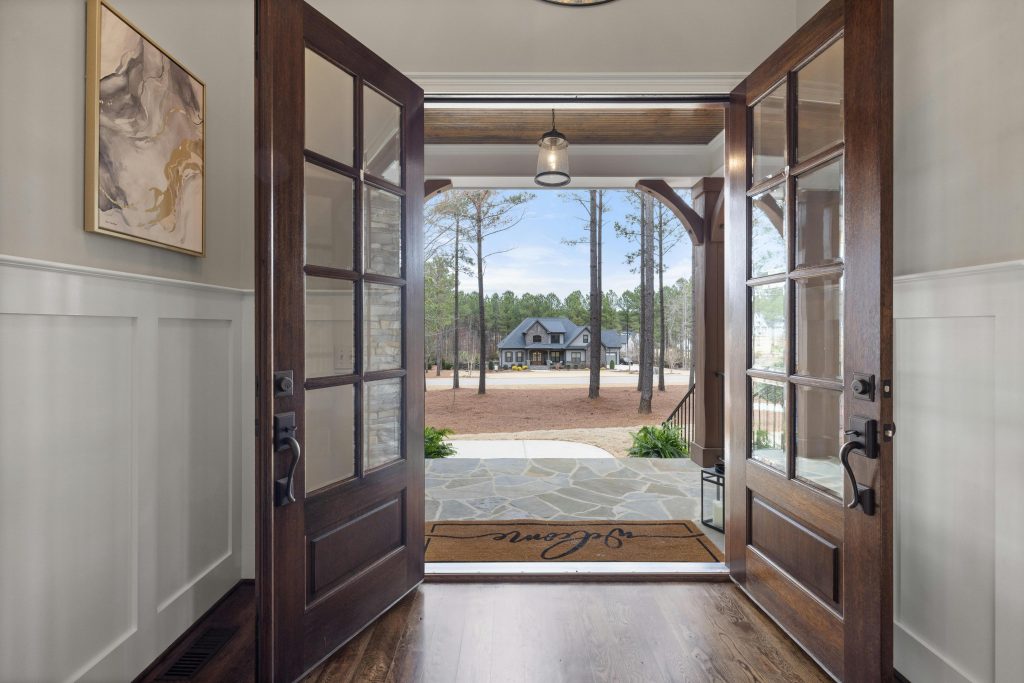
One of the biggest benefits of transitional design is its flexibility.
You don’t have to follow strict rules or commit to one style. This makes it easier to decorate your home over time without worrying about everything matching perfectly.
Benefits:
- Timeless look that doesn’t go out of style
- Easy to update with small changes
- Works well in any type of home
- Creates a warm yet modern feel
It’s a great choice if you want a space that feels both current and comfortable.
Start With a Neutral Color Palette
Color is the foundation of transitional design.
Most transitional spaces use neutral tones to create a calm and cohesive look.
Common colors:
- White and off-white
- Beige and taupe
- Soft gray
- Warm earth tones
These colors help blend different styles together and make the space feel open and relaxing.
Tips:
- Use one main neutral color for walls
- Add variation with different shades and textures
- Avoid overly bold or bright colors
A neutral base makes it easier to mix old and new elements.
Mix Old and New Furniture
The heart of transitional design is combining traditional and modern furniture. This mix creates a space that feels layered, interesting, and timeless instead of overly themed or one-dimensional.
You don’t need to replace everything in your home to achieve this look. In fact, transitional design works best when you blend what you already have with a few updated pieces.
How to mix styles:
- Pair a modern sofa with a classic wooden coffee table
- Use traditional dining chairs with a sleek, simple table
- Combine antique or vintage pieces with contemporary lighting
- Add modern decor to a more traditional room setting
When mixing styles, try to keep a common thread—like color, material, or finish—so everything feels connected. For example, if your traditional furniture has warm wood tones, choose modern pieces in similar tones.
The goal is balance. You don’t want one style to overpower the other. Instead, aim for a mix that feels natural and cohesive, where each piece complements the rest of the room.
Focus on Clean Lines and Soft Shapes
Transitional design avoids extremes.
It doesn’t use overly ornate details or very sharp, harsh lines. Instead, it focuses on clean lines with soft edges.
What to look for:
- Simple furniture shapes
- Subtle curves
- Minimal detailing
This creates a look that feels polished but still comfortable.
Layer Different Textures
Texture plays an important role in transitional spaces. Since the color palette is usually neutral, texture helps add depth, warmth, and visual interest without relying on bold colors.
Without texture, a neutral room can feel flat or boring. By layering different materials, you create a space that feels rich and inviting.
Examples:
- Soft fabrics like linen, cotton, or velvet
- Woven materials such as baskets or rugs
- Natural wood finishes
- Metal accents in brushed or matte finishes
- Glass or ceramic decor pieces
Try combining soft and hard textures to create contrast. For example, pair a smooth leather chair with a soft throw blanket, or a wooden table with a glass vase.
Layering textures also helps define different areas of the room and makes the space feel more complete.
Keep Decor Simple and Intentional
Transitional design is not about filling every space with decor. Instead, it focuses on choosing a few meaningful pieces that enhance the room without overwhelming it.
Too many decorative items can make a space feel cluttered and take away from the clean, balanced look that defines transitional style.
Tips:
- Choose quality over quantity
- Limit the number of items on each surface
- Use decor that serves a purpose or has meaning
- Group items in small, balanced arrangements
For example, instead of covering a table with many small objects, you can style it with a single vase, a book, and a decorative tray. This keeps the look clean while still adding personality.
Being intentional with your decor helps maintain a calm and polished environment.
Use Statement Pieces Wisely
Even in a neutral space, you can still include statement pieces.
These items add personality and draw attention.
Ideas:
- A bold piece of artwork
- A unique light fixture
- A standout piece of furniture
The key is to keep everything else simple so the statement piece can stand out.
Balance Warm and Cool Elements
Transitional design often blends warm and cool tones to create a space that feels balanced and comfortable. Too much of one can make a room feel either too cold or too heavy.
Mixing both tones helps create depth and keeps the design from feeling flat.
Examples:
- Pair warm wood furniture with cool gray or white fabrics
- Combine brass or gold accents with cooler metal finishes
- Use warm lighting alongside neutral wall colors
- Mix warm textiles with cooler-toned decor pieces
The key is to distribute these elements evenly throughout the room. This prevents one side of the space from feeling heavier than the other.
Balancing warm and cool tones creates a more dynamic and inviting atmosphere.
Incorporate Classic Materials
Certain materials work especially well in transitional design.
Common materials:
- Wood
- Stone
- Glass
- Metal
Using a mix of these materials adds variety while keeping the space cohesive.
Choose Timeless Patterns
Patterns can add interest without overwhelming the space.
Good pattern choices:
- Stripes
- Subtle florals
- Geometric designs
Stick to simple and classic patterns that won’t go out of style.
Pay Attention to Lighting
Lighting is an important part of transitional design. It does more than just brighten a room—it helps set the mood, highlight key features, and bring together both traditional and modern elements. The right lighting can make your space feel warm, balanced, and inviting.
In transitional interiors, lighting should be both functional and stylish. It should support daily activities while also enhancing the overall look of the room. Instead of relying on just one light source, it’s best to layer different types of lighting for a more complete effect.
Tips:
- Use a mix of light sources like ceiling lights, table lamps, and floor lamps
- Choose fixtures with simple, clean designs that blend well with both styles
- Avoid overly decorative or bulky lighting that can overpower the space
- Use warm light bulbs to create a cozy and welcoming atmosphere
- Place lighting in key areas to highlight furniture or decor
For example, you can pair a modern floor lamp with a classic table lamp to reflect both styles. This mix keeps the design interesting while maintaining balance.
Good lighting not only improves how your space looks but also how it feels. When done right, it ties the entire room together and enhances the overall transitional style.
Create a Comfortable Atmosphere
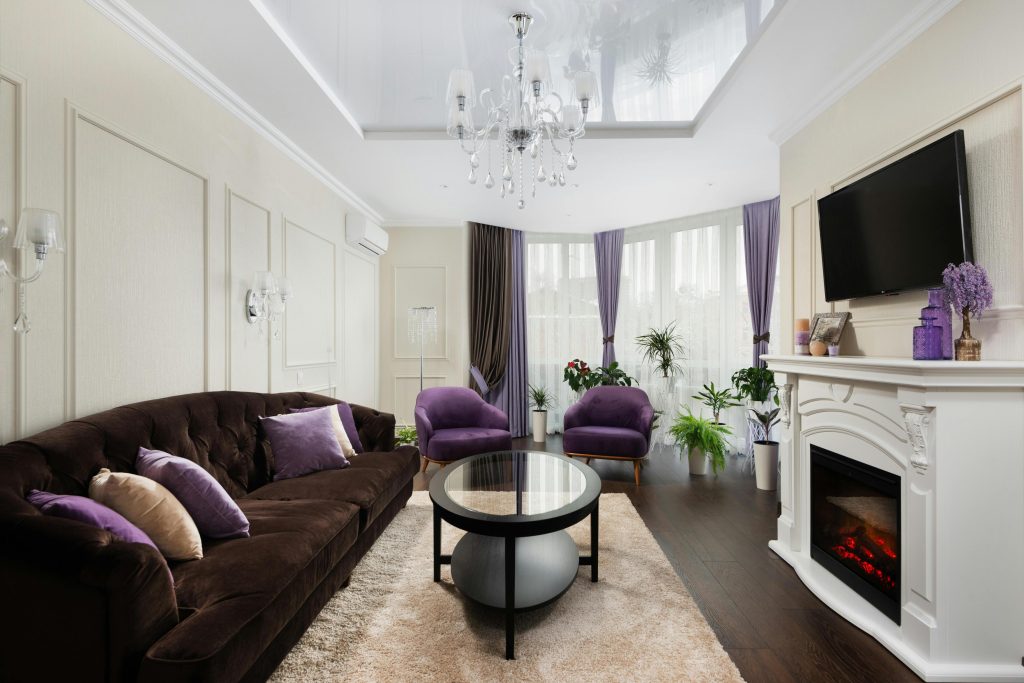
Comfort is a key part of transitional design. While the style focuses on balance and clean aesthetics, it should never feel stiff or uninviting. Your space should feel like a place where you can relax, unwind, and enjoy everyday living.
A well-designed room is not just about how it looks—it’s also about how it feels. Adding comfort helps soften the mix of traditional and modern elements, making the space more welcoming and livable.
Ways to add comfort:
- Use soft fabrics like cotton, linen, or velvet
- Add cushions and throws to seating areas
- Choose furniture that feels good to sit or lounge on
- Layer rugs to create warmth underfoot
- Incorporate warm lighting for a cozy atmosphere
Think about how you use your space daily. A comfortable sofa, supportive chairs, and soft textures can make a big difference in how much you enjoy your home.
You can also balance structured furniture with softer elements. For example, pair a sleek modern sofa with plush pillows or a cozy throw to make it feel more inviting.
A comfortable space is always more enjoyable, and in transitional design, it helps create the perfect blend of style and livability.
Keep Everything Balanced
Balance is the most important principle in transitional design. Without it, the mix of styles can feel messy instead of intentional.
A balanced space feels calm, organized, and visually pleasing. It allows both traditional and modern elements to coexist without clashing.
How to achieve balance:
- Mix styles evenly throughout the room
- Repeat colors and materials for consistency
- Avoid placing all heavy or bold items in one area
- Keep proportions in mind when choosing furniture and decor
For example, if you have a large traditional sofa, you can balance it with a sleek modern coffee table and simple decor.
Always step back and look at the room as a whole. If something feels off, small adjustments—like moving decor or swapping items—can help restore balance.
When everything works together, the room feels cohesive, comfortable, and timeless.
Final Thoughts
Transitional interior design is a great way to create a home that feels both timeless and modern. By blending old and new elements, you can design a space that is stylish, comfortable, and easy to update.
Start with a neutral color palette, mix furniture styles, and focus on balance. Add texture, keep decor simple, and choose pieces that reflect your personal style.
With the right approach, you can create a space that looks beautiful today and will continue to feel fresh for years to come.
