Creating a beautiful, functional outdoor space is one of the most rewarding home improvement projects you can undertake. A well-designed backyard expands your usable living area, provides a private sanctuary for relaxation, and creates the ideal environment for hosting family and friends. Beyond personal enjoyment, thoughtful exterior upgrades deliver substantial long-term value, enhancing overall property appeal and structural longevity.
Transforming a basic lawn into a fully realized outdoor paradise requires a balanced approach. Hardscaping foundations, water amenities, culinary setups, shelter systems, utility reliability, and greenery management must all work in harmony. Without careful planning, individual additions can feel disconnected or create ongoing maintenance challenges.
Establishing Hardscape Foundations and Multi-Level Outdoor Living
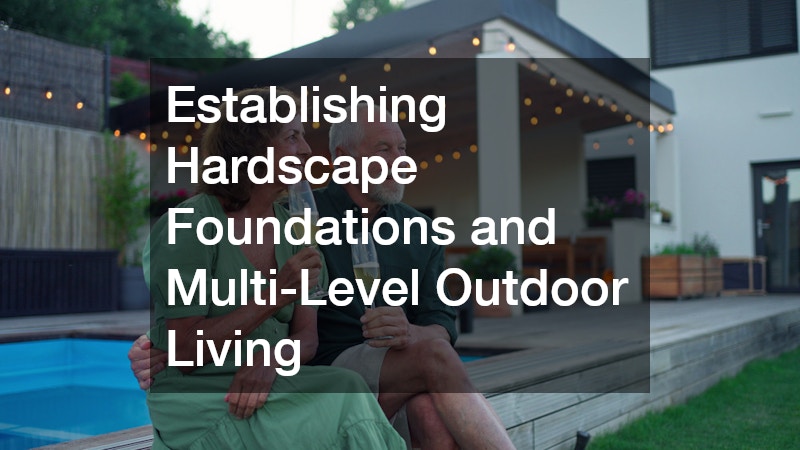
The baseline of any successful outdoor living design rests on solid hardscape planning. Ground-level masonry, retaining walls, pathways, and elevated deck platforms define how people move through a yard and create designated zones for cooking, lounging, and dining.
Integrating Custom Masonry and Natural Stone Foundations
Masonry elements lend permanent structure and organic beauty to outdoor environments. Selecting the right stone materials and underlying support systems ensures these installations withstand shifting soils and changing seasonal weather.
-
Choose natural fieldstone, slate, or engineered concrete pavers based on local climate conditions and intended weight loads.
-
Dig foundational trenches and pack a dense, six-inch gravel sub-base to promote proper drainage and prevent shifting.
-
Install high-strength drainage pipes behind retaining walls to relieve hydrostatic pressure buildup from wet soil.
-
Apply breathable, UV-resistant clear sealers to stone surfaces annually to repel moisture, prevent oil stains, and eliminate surface salt bloom.
-
Mortar flagstone steps and vertical wall faces securely, verifying that all joints are fully filled to keep out water before winter freeze cycles.
Partnering with a professional stone installation company ensures that structural retaining walls, custom fire pits, and stone patio floors remain level, stable, and visually striking for decades.
Designing Custom Composite and Timber Living Platforms
Elevated platforms bridge the transition between indoor living areas and outdoor landscapes. Designing a custom platform with professional deck building services allows homeowners to take advantage of uneven topography, create distinct entertaining zones, and extend indoor comfort outdoors.
Building Premier Custom Pools and Structural Water Features
A custom swimming pool serves as the centerpiece of an outdoor retreat, providing relief from summer heat, fitness opportunities, and a focal point for social gatherings. Proper planning involves evaluating yard topography, sun angles, and material durability.
Designing Personalized Backyard Aquatic Layouts
Designing an aquatic feature requires balancing aesthetics with functional space management. Position your pool to harmonize with existing property features while maintaining convenient access from main home entrances.
-
Orient pool basins toward southern or western exposures to capture maximum natural sunlight throughout the day, reducing water heating costs.
-
Incorporate shallow sun shelves with umbrella sleeves to create dedicated zones for young children and lounging in shallow water.
-
Position pool equipment pads behind natural screening walls or plantings away from primary entertaining areas to minimize operational pump noise.
-
Plan underground utility corridors early in the design phase to prevent gas, water, and electrical lines from crossing beneath future hardscapes.
-
Select dark interior plaster tints in cooler climates to absorb solar heat, or lighter blue shades in warm regions to reflect light.
Collaborating with an experienced local custom pool builder allows homeowners to design custom pool shapes, deep-end entries, and water features perfectly tailored to their yard’s unique slope.
Engineering Heavy-Duty Gunite and Concrete Pool Shells
The structural integrity of a custom pool depends on the materials and installation techniques used during foundation assembly. Cast concrete and gunite shells offer unmatched strength and flexibility for custom pool shapes.
-
Ensure steel rebar reinforcement grids are tied with precise spacing prior to pneumatic concrete application to maximize tensile strength.
-
Select durable quartz, pebble, or glass tile interior finishes to protect against chemical wear and provide non-slip foot traction.
-
Install variable-speed filtration pumps and oversized cartridge filters to maintain crystal-clear water while minimizing electrical consumption.
-
Form concrete pool coping stones with smooth, rounded bullnose edges to protect swimmers from sharp edges along water boundaries.
-
Add automated pool covers to retain water heat, minimize evaporation, and keep falling leaves out of the basin during storm events.
Investing in a professional concrete pool installation guarantees a rigid, long-lasting pool structure that handles heavy soil loads and high water pressure without cracking.
Upgrading Existing Amenities and Hydrotherapy Spas
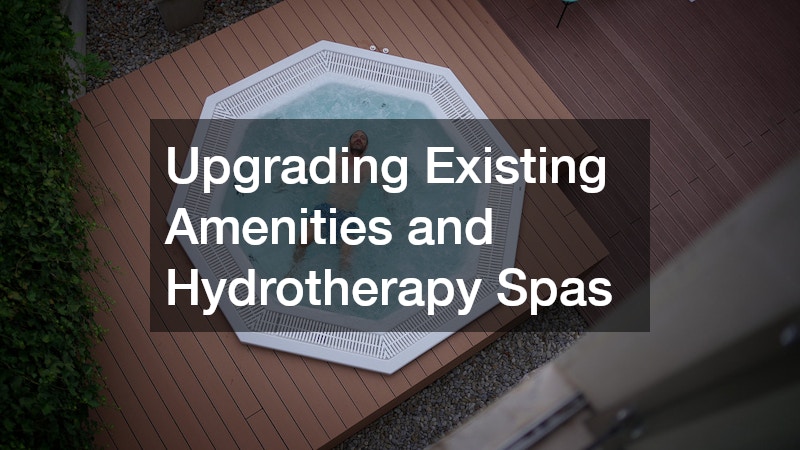
Homeowners with existing outdoor features can elevate their spaces by modernizing aging equipment, updating finishes, and adding specialized hydrotherapy elements for year-round relaxation.
Modernizing Outdated Pools with Contemporary Finishes and Systems
Aging pools often suffer from outdated lighting, rough interior surfaces, and energy-inefficient pumps. Modernizing these elements restores visual appeal and lowers weekly operational overhead.
-
Strip away deteriorated plaster and replace it with smooth aggregate coatings to eliminate rough textures underfoot.
-
Swap legacy single-speed pumps and manual valves for modern, smart automation systems controlled via smartphone applications.
-
Replace inefficient halogen fixtures with low-voltage, multi-color LED underwater lights to dramatically drop energy usage and enhance nighttime ambiance.
-
Retrofit older chlorine tablet systems with automated salt-water chlorinators for softer water that is easier on eyes and skin.
-
Replace broken or stained perimeter water-line tiles with modern frost-proof porcelain or iridescent glass mosaics.
Contracting a specialized pool remodeling service allows homeowners to upgrade outdated plumbing, resurface worn interiors, and add modern water cascades to aging pools.
Placing and Installing Hydrotherapy Spas for Year-Round Use
Integrating a spa into your yard plan provides targeted muscular relief and extends outdoor enjoyment into colder winter months. Strategic placement ensures easy access, privacy, and simple electrical integration.
-
Pour a level, four-inch reinforced concrete pad engineered to support the combined weight of the spa shell, water, and bathers.
-
Hire a certified electrician to install dedicated 240V sub-panels and GFCI disconnect switches within line-of-sight of the spa base.
-
Position spas close to house entry points to keep winter walks short, while utilizing privacy screens to block unwanted views from neighbors.
-
Choose high-density, lockable thermal covers with mechanical cover lifters to simplify daily opening and retain heat between uses.
-
Integrate perimeter step structures with non-slip treads to ensure safe entry and exit from elevated spa rims.
Coordinating smooth hot tub installations ensures that plumbing, electrical wiring, and surrounding hardscape step systems work together seamlessly.
Creating Gourmet Outdoor Kitchens and All-Weather Shade
Preparing meals outdoors keeps cooking heat outside during warm months and allows the host to remain fully engaged with guests. Shielding these culinary hubs with all-weather shade structures ensures comfort in any season.
Building Weatherproof Culinary Stations and Entertainment Hubs
A well-appointed exterior kitchen goes beyond a standalone grill station. Incorporating food prep areas, cold storage, and plumbing creates a fully functional kitchen environment outdoors.
-
Select 304-grade stainless steel for all cabinetry, drawers, access doors, and built-in appliances to resist corrosion and moisture exposure.
-
Choose non-porous granite, quartzite, or polished concrete countertops that handle hot cookware and resist food staining.
-
Install GFCI-protected electrical outlets along backsplashes to safely power blenders, meat smokers, and task lighting.
-
Run dedicated natural gas supply lines to high-BTU grill units, eliminating the hassle of constantly swapping propane tanks.
-
Position outdoor kitchen islands downwind from primary seating areas so grill smoke drifts away from dining guests.
Working with experienced outdoor kitchen contractors ensures proper integration of gas lines, plumbing drains, and electrical circuits into durable outdoor island frames.
Shielding Outdoor Lounges with Motorized Shades and Awnings
Unfiltered sunlight and sudden rain showers can make outdoor living areas uncomfortably hot or wet. Installing adjustable shade elements allows you to modify your microclimate on demand.
-
Select solution-dyed acrylic fabrics for awning canopies to ensure high UV protection and long-term color fade resistance.
-
Install motorized drop-down screens featuring automatic wind sensors that retract fabric during high-wind events to prevent frame damage.
-
Mount fixed structural awnings over outdoor kitchen stations to protect delicate electronics and cooking equipment from rain.
-
Position retractable shade barriers to block low afternoon sun angles, reducing glare inside adjacent indoor living rooms.
-
Choose open-weave mesh screen fabrics that reduce solar heat and block insects while preserving outdoor views of the yard.
Mounting durable patio screens and awnings allows homeowners to regulate shade, reduce patio surface temperatures, and enjoy outdoor dining even during light rainfall.
Securing Utility Reliability and Perimeter Safety
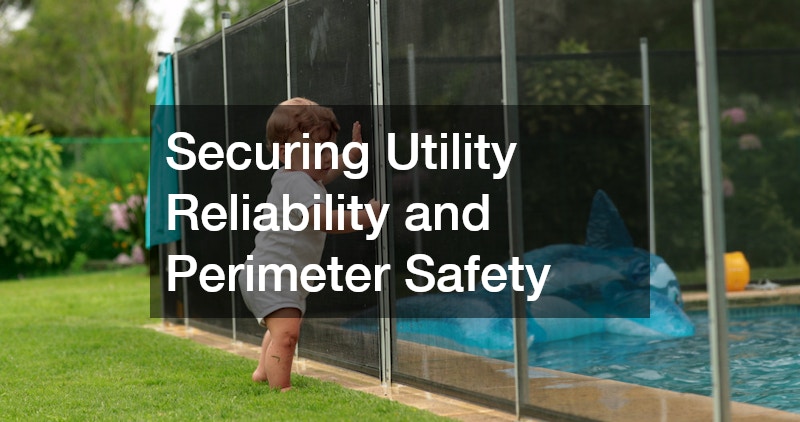
A high-performance yard requires hidden utility networks to deliver clean water to irrigation systems, pools, and outdoor sinks. Equally important is establishing physical perimeter safety to keep children and pets secure.
Optimizing Water Supply and Subterranean Pump Performance
Relying on private well systems or municipal boosters requires regular oversight to ensure consistent water pressure for outdoor irrigation, water features, and household fixtures.
-
Conduct annual water pressure tests to identify pressure tank bladder issues before they cause pump motors to short-cycle and fail.
-
Install inline sediment filters and water softeners on main lines to protect outdoor faucets and pool auto-fill valves from mineral buildup.
-
Position smart leak detection sensors near main pump output valves to alert your phone to sudden pressure drops or line ruptures.
-
Flush irrigation lines every spring to remove winter debris and clear clogged spray nozzles across lawn zones.
-
Insulate exposed above-ground water pipes and backflow preventers with thermal wraps to protect against unexpected freeze damage.
Relying on professional water pump services keeps well systems, booster pumps, and subterranean delivery lines operating reliably under heavy summer demand.
Installing Low-Maintenance Enclosures and Pool Safety Barriers
Defining property boundaries provides essential privacy, establishes clear property lines, and ensures compliance with strict municipal pool safety regulations.
-
Verify that perimeter barriers around swimming pools stand at least four feet tall and feature self-closing, self-latching gate hinges.
-
Choose powder-coated metal posts and rails to prevent surface chalking, rust, and peeling, eliminating the need for periodic repainting.
-
Rack fence panels flush to ground contours on sloped yards to prevent gaps where pets could crawl underneath.
-
Select narrow vertical picket spacing to maintain an open, spacious feel across the landscape while meeting local barrier codes.
-
Anchor all structural fence posts in deep concrete footings to keep perimeter lines straight and upright against strong wind loads.
Installing high-quality local aluminum fences establishes clean architectural borders around pools and property lines without blocking surrounding landscape views.
Maintaining Landscape Health and Aesthetic Surface Refinements

The final layer of a backyard transformation involves caring for mature trees, managing shade canopies, and refreshing home exteriors so structural elements and natural greenery complement each other perfectly.
Managing Tree Canopies for Safety, Airflow, and Sunlight
Large canopy trees add valuable shade, privacy, and character to a yard. However, unmanaged growth can create safety hazards during storms and block sunlight from reaching underlying lawns and gardens.
-
Remove dead, diseased, or crossing branches annually to prevent heavy limbs from falling onto roofs, decks, or pool structures.
-
Maintain a minimum clearance of ten feet between tree branches and rooflines to keep squirrels, raccoons, and pests off your home.
-
Thin dense upper tree canopies to allow natural sunlight to reach lawn turf and garden beds below.
-
Prune lower branches along pedestrian pathways to clear sightlines and maintain comfortable head clearance along walkways.
-
Evaluate structural trunk integrity following major windstorms to identify internal decay or root rot early.
Hiring an accredited tree trimming service ensures that mature trees are pruned safely without damaging your home or compromising long-term tree health.
Refreshing Exterior Siding, Trim, and Structures with Protective Finishes
Over time, sun exposure, rain, and humidity dull exterior paints and stains. Applying fresh, high-performance protective coatings revitalizes your home’s facade and shields underlying building materials from decay.
-
Pressure wash exterior siding, stone foundations, and trim to remove chalking, mildew, and airborne pollutants prior to painting.
-
Scrape away loose, peeling paint and apply specialized outdoor primers to bare wood and composite surfaces to maximize paint adhesion.
-
Choose high-grade 100% acrylic latex paints for exterior siding to allow natural wood moisture breathability without blistering.
-
Apply elastomeric masonry coatings on brick, concrete, or stucco walls to bridge micro-cracks and form a waterproof barrier against driving rain.
-
Select low-VOC interior paints when updating enclosed sunrooms or covered patio spaces to maintain healthy air quality in semi-enclosed areas.
Contracting experienced local painters guarantees thorough surface preparation, clean paint edges, and long-lasting protection for home siding, trim, and outdoor structures.
Transforming a standard backyard into an outdoor paradise is a rewarding process that enhances your everyday lifestyle, increases functional living space, and builds long-term home value. By addressing hardscape foundations, custom water features, culinary spaces, shade solutions, utility reliability, and property maintenance, you create an environment where every element works together seamlessly. Investing in quality materials, thoughtful planning, and skilled trade professionals ensures your outdoor retreat remains comfortable, beautiful, and resilient for years to come.