
An outdated residential bathroom represents one of the most frustrating maintenance challenges a homeowner can face.Designed during eras when building materials, ventilation science, and aesthetic preferences were substantially different,older bathrooms frequently struggle beneath the wear and tear of decades of continuous moisture exposure. Discolored acrylic fixtures, stained grout lines, failing caulk joints, and peeling wall finishes are not merely cosmetic nuisances; they often indicate chronic moisture retention and underlying material fatigue. Daily routines that should feel refreshing and orderly instead feel confined by awkward layouts, dim lighting, and sluggish drainage. Over time, these cumulative issues degrade the household experience, turning essential personal hygiene routines into a reminder of deferred maintenance and escalating utility vulnerabilities.
Revitalizing an aging bathroom space requires moving beyond superficial cosmetic touch-ups toward a structured, trade-coordinated renovation framework. Because bathrooms concentrate high-pressure potable water supplies, gravity-fed drainage stacks, ventilation ductwork, high-voltage electrical circuits, and delicate structural waterproofing into a compact footprint, improvements in one area directly impact adjacent building assemblies. Swapping a vanity without evaluating water stop valves can prompt catastrophic supply-line leaks, while failing to prepare moisture-compromised drywall guarantees that fresh paint will bubble within months.

Establishing a Comprehensive Modernization Scope for Outdated Lavatories
The initial phase of rejuvenating an antiquated washroom begins with defining a cohesive structural blueprint that addresses both functional deficiencies and ergonomic flow. Many mid-century and late-twentieth-century residential designs suffer from cramped floor plans that awkwardly position massive tubs directly beside narrow vanity cabinets, choking natural foot traffic and restricting cabinet door clearances. Furthermore, decades of water exposure, cleaning chemicals, and shifting building foundations often cause minor framing deflections beneath tiled floors, creating hollow sounds, cracked grout joints, and unnoticed seepage paths into the subfloor.
Executing a structured bath remodel allows homeowners to dismantle outdated spatial layouts systematically, strip compromised finishes back to solid framing, and re-engineer the entire room for contemporary efficiency. Project planners assess the existing layout to determine whether opening up wall partitions, upgrading mechanical ventilation ductwork, and reconfiguring fixture locations will optimize natural light and improve user accessibility.
Diagnosing Sub-Surface Pipe Deterioration and Upgrading Hidden Supply Lines
Behind the tiled walls and decorative wallboard of an older bathroom lies a complex network of pressurized copper, galvanized iron, or early-generation polybutylene plumbing lines that endure relentless thermal cycling. Over thirty or forty years of daily operation, mineral-heavy municipal water gradually produces interior calcification, narrowing the effective pipe diameter and causing noticeable drops in water volume whenever multiple faucets operate concurrently. Worse still, galvanic corrosion between dissimilar metals and deteriorating brass valve seats often creates microscopic pinhole leaks that slowly saturate wall cavities, rotting wooden studs and breeding harmful fungal colonies long before damp spots appear on finished drywall.
Enlisting licensed plumbers during the initial rough-in phase ensures that aging water distribution lines, vent stacks, and waste laterals are thoroughly inspected, pressure-tested, and modernized using durable materials. Mechanical specialists replace corroded galvanized lines with cross-linked polyethylene or heavy-gauge copper, re-pitching drain pipes to eliminate standing waste and foul sewer gas siphoning.

Ensuring Code Compliance and Pressure Balance Through Certified Technicians
Navigating modern municipal plumbing codes requires specialized technical knowledge regarding minimum fixture clearances, vent pipe sizing, backflow prevention, and thermostatic scald protection. Older bathrooms frequently feature outdated mixing valves that lack pressure-balancing spools, meaning that when an appliance draws cold water elsewhere in the residence, a showering occupant can experience sudden, dangerous surges of scalding hot water. Additionally, unvented drain lines or improper trap arms in older homes frequently cause bubbling toilet basins and sluggish drain flow that home chemical drain cleaners cannot permanently resolve.
Partnering with certified local plumbers guarantees that all valve replacements, shower pan drains, and sanitary connections satisfy regional building inspections and municipal plumbing codes. Regional trade mechanics possess direct familiarity with local municipal water hardness levels and regional water pressure trends, enabling them to install pressure-regulating valves and thermostatic mixing cartridges calibrated to regional conditions.
Removing Bulky Alcove Basins to Maximize Accessible Washing Space
For decades, the standard residential builder package mandated an enamel-coated cast iron or stamped steel bathtub wedged into a narrow alcove space, flanked by a low-flow showerhead and a vinyl curtain. While functional for bathing small children, these high-walled tubs become significant physical barriers as household members age, requiring users to step over steep thresholds on slippery wet surfaces. Furthermore, the cramped, dark alcoves created by tub-and-shower combinations restrict elbow room, cast heavy shadows across the bathing area, and collect grime within hard-to-reach perimeter caulk joints.
Contracting professional tub to shower conversion services transforms these restricted, dated alcoves into expansive,low-threshold or curbless walk-in showering sanctuaries that dramatically enhance bathroom safety and visual openness. Skilled demolition crews extract the heavy, cumbersome tub basin without damaging adjacent wall studs, rerouting drain assemblies from standard one-and-a-half-inch tub drains to high-capacity two-inch shower drains that handle high-flow multi-head systems.

Framing Open Sightlines with Seamless Glazing and Precision Hardware
Once a spacious walk-in shower is structurally framed and tiled, enclosing the space requires a design solution that contains high-pressure water spray without dividing the room visually. Traditional framed shower enclosures rely on bulky aluminum channels, magnetic door tracks, and opaque patterned glass that trap moisture, collect soapy scum, and visually cut the bathroom into dark compartments. Over time, moisture trapped within aluminum bottom tracks corrodes mechanical rollers, causing doors to stick, rattle, and leak dirty water onto surrounding bathroom floors.
Installing custom-fabricated custom glass shower enclosures elevates the bathing zone with heavy-gauge, frameless tempered glass panels secured by precision-machined solid brass or stainless steel clamps. Architectural glazing specialists take digital laser measurements of the finished tile openings, accounting for subtle out-of-plumb wall variances to ensure a tight fit without unsightly filler strips. Clear, ultra-dense glass treated with hydrophobic surface sealants repels water droplets, prevents hard water mineral etching, and allows natural light to flow across the entire room, making compact bathrooms feel larger. Precision pivot hinges and magnetic sweep seals prevent water from escaping the shower zone, establishing an elegant, airy visual center that showcases beautiful interior tilework.
Installing Non-Porous Vanity Slabs to Resist Moisture and Daily Wear
The bathroom vanity serves as the primary operational surface for daily grooming routines, enduring continuous exposure to spilled cosmetics, hot hair styling tools, abrasive soaps, and splashing water. Outdated bathrooms frequently feature laminated plastic countertops or tiled vanity tops with wide grout joints that stain easily, harbor bacteria, and peel along exposed edge bands after prolonged moisture contact. Once water penetrates the particleboard core beneath aging laminates, the substrate swells and warps, preventing vanity doors from closing smoothly and destabilizing under-mount sink caulking.
Upgrading the central grooming area with resilient new countertops fabricated from natural quartz, dense granite, or modern solid-surface composites introduces a non-porous, highly sanitary work surface that resists daily wear. Fabrication specialists cut each stone slab using computer-guided water jets, carving smooth undermount sink basins, polished faucet spreads, and matching backsplashes that prevent water from rolling behind vanity cabinetry. Engineered quartz slabs eliminate the need for annual chemical sealing, resisting etching from acidic personal care products and providing superior resistance against heat damage. Installing a sleek stone vanity top instantly modernizes the visual centerpiece of the room while providing a durable, easily sanitized workspace that retains its polished appearance for decades.
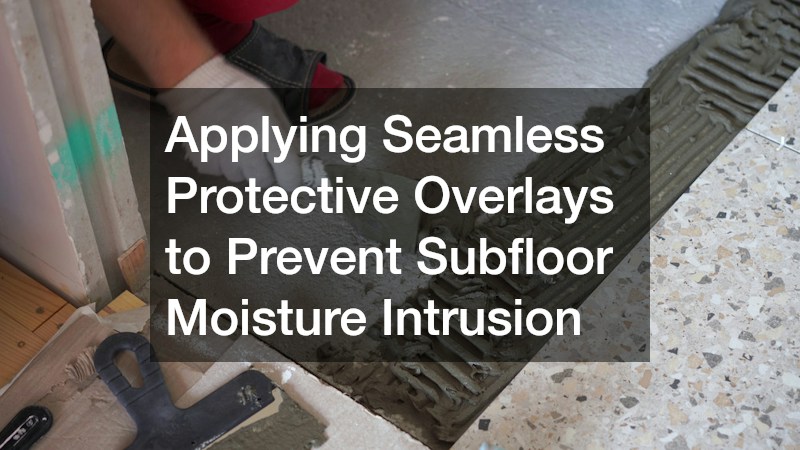
Applying Seamless Protective Overlays to Prevent Subfloor Moisture Intrusion
Bathroom floors endure intense physical and chemical wear, including foot traffic, dropped toiletries, fluctuating surface temperatures, and standing pools of water tracked out from showers and tubs. Aging vinyl linoleum sheets often lift along perimeter seams, while old ceramic floor tiles develop cracked grout lines that allow moisture to seep quietly into underlying wooden subfloors. Left unchecked, this hidden moisture rots structural plywood sheathing, weakens subfloor stiffness, and creates an environment where structural mold flourishes beneath the floor.
Applying an engineered, industrial-strength concrete floor coating across prepared sub-surfaces creates a continuous, completely seamless protective barrier that prevents water penetration. Specialized floor mechanics grind the underlying concrete substrate to open concrete pores, repair surface micro-fissures, and apply high-solids polyaspartic or epoxy formulations that chemically fuse with the substrate. Technicians broadcast decorative vinyl color flakes or fine quartz aggregates into the wet resin, creating an attractive, multi-tonal aesthetic that provides textured slip resistance under wet bare feet. Sealing the entire surface with an ultraviolet-stable polyaspartic clear coat creates an impermeable, chemical-resistant floor that wipes clean effortlessly and shields structural foundations from moisture damage.
Remediating Humidity Damage and Preparing Gypsum Wallboards
Bathrooms present a challenging environment for architectural wall surfaces, experiencing sudden spikes from dry ambient conditions to one hundred percent relative humidity within minutes during hot showers. In poorly ventilated older spaces, warm, moisture-laden air condenses against cold drywall, softening joint compound, loosening paper tape lines, and causing surface paint to blister and peel away in large sheets. Simply applying a fresh coat of retail paint over these compromised surfaces without proper trade preparation guarantees that the new coating will bubble and fail within a few short months.
Hiring skilled, professional painters ensures that all wall surfaces, ceiling planes, and wooden architectural millwork are properly scraped, stabilized, and sealed before finish coats are applied. Experienced prep crews use mechanical sanders equipped with HEPA dust collection to feather out peeling edges, treat dark mildew stains with targeted fungicidal washes, and skin over gouges using water-resistant setting-type joint compounds. They apply high-adhesion, stain-blocking acrylic primers that lock down porous drywall paper, seal moisture stains, and create a uniform, chemically receptive substrate across every square inch of the room. Thorough surface preparation guarantees that final color coats adhere tightly, resist moisture, and remain smooth and durable.
Applying Antimicrobial Formulations to Inhibit Mildew in Damp Environments
The paint formulation selected for a high-humidity bathroom must perform far beyond standard interior latex paints used in dry bedrooms or living spaces. Conventional interior wall paints absorb moisture droplets, soften under steam exposure, and contain organic binders that serve as a food source for fungal spores and surface mold colonies. Without targeted protective additives, bathroom ceilings and corners quickly develop unsightly dark speckling and musty odors that compromise indoor air quality and degrade the look of the room.
Utilizing dedicated, commercial-grade painting services provides homeowners with access to specialized paint technologies formulated specifically for high-moisture spaces. Certified finishing specialists apply specialized moisture-resistant, antimicrobial paints containing active, non-leaching fungicides that continuously inhibit mildew, mold, and bacterial growth on the paint film. They apply two uniform coats of durable eggshell, satin, or semi-gloss enamel using precision microfiber rollers, creating a washable, moisture-repelling surface that allows condensation to bead and run down walls without penetrating the drywall. Applying specialized, high-durability coatings ensures that ceilings and trim remain bright, clean, and resistant to moisture-induced peeling.
Perfecting Architectural Trims and Sealing the Finished Living Space
The final phase of an extensive bathroom modernization requires careful attention to detail, precision masking, and expert execution along every joint and trim line. Crisp transitions between stone countertops, tile backsplashes, door jambs, and freshly coated walls define the aesthetic quality of the entire project. Inexpert cutting-in around intricate tile borders, uneven paint lines along baseboards, and mismatched silicone beads immediately detract from the visual quality of expensive new fixtures and stone surfaces.
Retaining a licensed, dedicated interior painting contractor ensures that all final architectural trim work, crown moldings, and caulk joints are completed with clean precision. Expert finish mechanics apply high-grade, mold-resistant silicone and urethane sealants along all transitions between tile, cabinetry, and drywall, creating flexible waterproof expansion seals that absorb natural house settling without cracking. They use angled sash brushes to hand-cut sharp, straight lines along ceilings and trim borders, ensuring an even finish on doors, casings, and millwork. Professional finishing ties every structural and mechanical component together into a cohesive, polished design, transforming an outdated utility room into an elegant personal retreat.
Taking a comprehensive, trade-focused approach to bathroom maintenance protects your home equity, eliminates everyday functional frustrations, and creates a welcoming, hygienic environment for the entire household. Intentional investments in concealed plumbing integrity, accessible showering designs, non-porous vanity materials, and moisture-resistant finishes transform an antiquated room into a bright, resilient space. A well-executed modern bathroom provides your home with a fresh, durable, and comfortable environment that elevates your daily morning and evening routines for years to come.