
A home is far more than a financial asset or a place to sleep at the end of a long day. It serves as the primary sanctuary for your family—a safe environment where memories are created, children grow, and daily stress melts away. However, true comfort is impossible without total peace of mind regarding your living space’s safety, structural integrity, and functional health.
When home maintenance is neglected, small, hidden vulnerabilities quietly compound over time. A hairline crack in a foundation, a subtle roof leak behind a fascia board, or an aging heating unit can quickly evolve into catastrophic structural failures, severe health hazards, or overwhelming financial emergencies. Proactive home upkeep shifts your relationship with your living space from reactive crisis management to systematic prevention.
This comprehensive guide provides an actionable, in-depth roadmap for maintaining your home from the ground up. We will examine essential strategies for fortifying your structural envelope, eliminating indoor water hazards, modernizing life-safety and heating systems, preserving interior furnishings, and maintaining safe outdoor grounds year-round.
Fortify Your Home’s Shell: Shielding the Structural Envelope
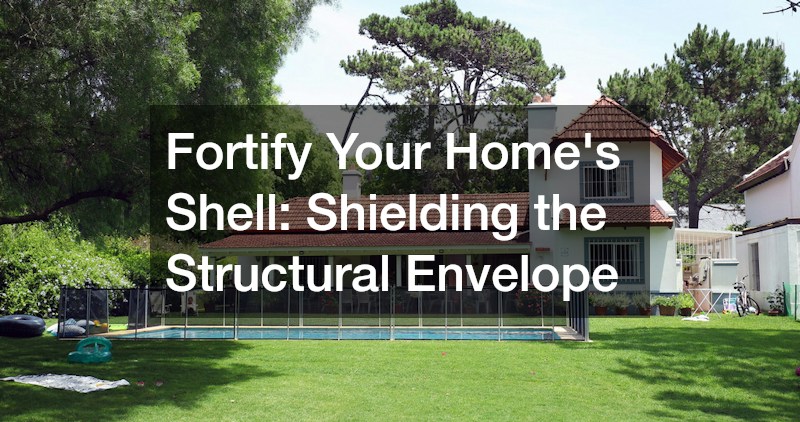
The exterior shell of your house—comprising the roof, siding, flashing, and foundation—serves as your first line of defense against elemental damage. Wind, rain, thermal expansion, and freezing temperatures continuously test these materials. If the structural envelope breaks down, moisture and pests gain easy access to the interior frame of your building.
Regular roof inspections are critical for catching minor defects before water breaches the interior living spaces. Homeowners should inspect their roofs at least twice a year—once in late spring and once in early autumn—as well as after major wind or hail storms. Key visual warning signs include curling, cracked, or missing asphalt shingles, degraded rubber boots around plumbing vent stacks, rusted step flashing along chimneys, and sagging gutter lines.
When localized damage occurs, partnering with experienced local roofers ensures that repairs match local building codes and structural wind load requirements. Professional roofers can identify subtle issues, such as compromised roof deck sheathing or failing ice-and-water underlayment shields, that an untrained eye might easily miss from the ground.
For homeowners seeking long-term structural durability and minimal ongoing maintenance, evaluating modern roofing materials offers significant long-term advantages:
- Impact Resistance: High-grade metal roofing panels and Class 4 asphalt shingles withstand heavy hail impacts without fracturing the underlying waterproofing membrane.
- Thermal Efficiency: Reflective metal standing-seam systems reduce radiant heat transfer into the attic, lowering summer cooling costs and preventing ice dam formation in winter.
- Wind Resistance: Interlocking architectural panels can withstand wind uplift speeds exceeding 120 miles per hour, protecting homes situated in storm-prone regions.
If your current roof is approaching the end of its typical 20-year lifespan, consulting with specialized metal roof contractors can help you evaluate whether a standing-seam or metal tile retrofitting project is right for your home’s architectural structure.
Eliminate Moisture and Indoor Flood Hazards
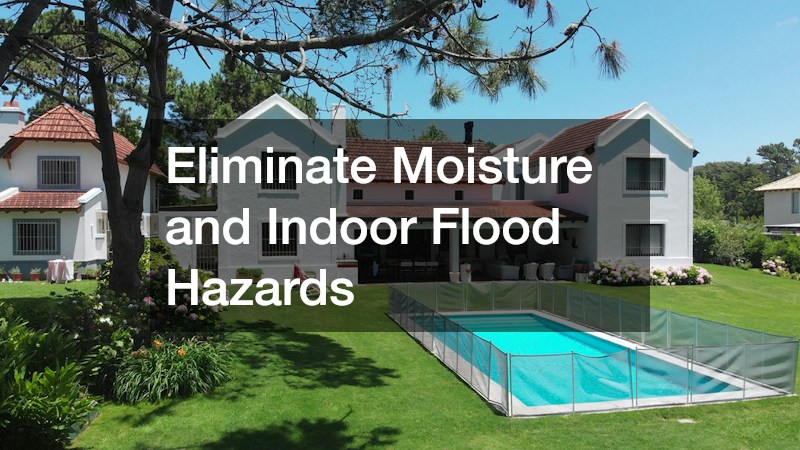
Water is single-handedly the most destructive element a property owner faces. Uncontrolled indoor water intrusion damages wood framing, ruins drywall, destroys mechanical electrical systems, and fosters rapid toxic mold growth within 24 to 48 hours of exposure.
The primary defense against ground-level water entry is a properly designed drainage system. Sump pumps positioned in basement pits or crawlspaces must be regularly maintained to handle peak rain volume during sudden severe storms.
Essential sump pump maintenance includes:
- Mechanical Testing: Pouring five gallons of water directly into the sump pit to confirm the float switch activates smoothly without catching on pit walls.
- Check Valve Verification: Ensuring the inline check valve prevents discharged water from flowing backward into the pit when the pump cycle stops.
- Battery Backup Upgrades: Installing a dedicated marine-grade battery backup unit to maintain pump operation during power outages caused by severe weather.
If an unexpected storm, municipal main burst, or mechanical failure causes indoor flooding, taking immediate action is vital to prevent permanent structural loss. Seeking professional assistance for flooded basement cleanup ensures that commercial-grade dehumidifiers, air movers, and antimicrobial sanitizing agents are deployed immediately to thoroughly dry structural floor joists and wall studs.
To prevent future groundwater entry around low-grade basement windows or entry doors, pouring a reinforced concrete ready mix window well barrier or slope-correcting curb creates a durable physical barrier that redirects surface runoff away from foundation walls.
Optimize Heating, Airflow, and Environmental Safety
Maintaining a healthy indoor climate requires balancing temperature control, fresh air circulation, and comprehensive life-safety monitoring. As mechanical systems age, their efficiency drops, operational noise increases, and safety risks escalate.
Central heating systems require systematic seasonal servicing to ensure safe operation. Technicians inspect combustion chambers for microscopic fractures that could vent dangerous carbon monoxide gas into home ductwork. Flame sensors, blower fan motors, and electrical ignition modules must be cleaned and tested for precise performance.
Signs that an aging heating system is reaching mechanical failure include:
- Short-Cycling: The unit repeatedly turns on and off in rapid intervals without reaching set thermostat temperatures.
- Uneven Heating: Rooms farthest from the mechanical room remain cold despite continuous blower operation.
- Spike in Energy Costs: Monthly heating fuel or electricity consumption rises sharply without corresponding weather changes.
When heating units pass 15 years of continuous service and require frequent repairs, investing in a complete furnace replacement restores thermal comfort, reduces monthly utility expenses, and eliminates combustion safety concerns.
Alongside heating upgrades, homes should feature modernized fire safety systems that include interconnected photoelectric smoke alarms, hardwired carbon monoxide detectors, and strategically placed residential fire extinguishers. Interconnected alarms ensure that if a sensor detects smoke in a subterranean basement, every alarm throughout upper-floor bedrooms sounds simultaneously, giving your family maximum reaction time.
Preserve Interior Comfort, Glass, and Furnishings

Indoor living environments should balance practical durability with refined comfort. High-traffic interior spaces endure daily wear from pets, children, solar radiation, and indoor atmospheric dust. Preserving structural fixtures and custom furniture requires routine care and environmental controls.
Upholstered furniture acts as an environmental filter inside the home, absorbing ambient dust, skin oils, and airborne particulate matter. Fine textiles require specialized care to maintain their structural fibers, vibrant dyes, and cushioning memory:
- Fabric Protection: Applying breathable fluoropolymer fabric protectors creates a spill-resistant barrier over delicate natural fibers like linen, cotton, and wool.
- Vacuuming and Rotation: Vacuuming cushions weekly using soft-brush attachments prevents grit from grinding down fabric weaves under seating pressure.
- Professional Cleaning: Scheduling periodic deep extraction cleaning preserves structural stitching and removes deep-seated allergens from heirloom pieces, such as custom bespoke upholstered chairs.
Window assemblies also play a dual role in interior preservation. Clean, well-sealed window panes maximize natural daylighting while insulating interior spaces against ambient outdoor temperature swings.
Over time, window glass accumulates layer upon layer of road grime, mineral deposits, pollen, and oxidation film, reducing light transmission and dulling interior aesthetics. Engaging a professional window cleaning service removes stubborn mineral scaling, cleans intricate sash tracks, and clears exterior weeping holes so rainwater drains freely without backing up into wall cavities.
Maintain Outdoor Grounds for Year-Round Family Safety
A safe home extends well beyond its interior walls. The surrounding property—including driveways, walkways, lawns, and tree canopies—requires seasonal upkeep to prevent slip-and-fall injuries, pest infestations, and property damage.
During warmer months, standing water on lawns, in clogged gutters, or under low-lying deck areas becomes a breeding ground for pests that carry dangerous diseases. Implementing an integrated yard management plan ensures your outdoor living space remains safe for family recreation:
- Drainage Elimination: Grading low-lying soil patches and clearing property swales prevents rainwater from pooling for longer than 24 hours.
- Targeted Property Treatments: Applying biological larvicides to non-drainable water features and utilizing professional mosquito control applications around dense perimeter foliage minimizes biting insect populations.
- Lawn Hygiene: Trimming tall grass borders and clearing fallen leaf litter removes shelter for ticks and rodents near children’s play sets.
As seasonal temperatures shift toward winter, outdoor safety priorities move toward cold-weather slip and fall prevention on hardscapes.
To maintain winter safety while preserving outdoor concrete and stone:
- Pre-Treatment Application: Applying liquid anti-icing brines to walkways prior to freezing rain prevents ice from bonding to the pavement surface.
- Surface-Safe Materials: Utilizing calcium magnesium acetate (CMA) or treated sand instead of harsh rock salt protects concrete surfaces from spalling and avoids damaging adjacent lawn roots.
- Proactive Ice Clearance: Executing a structured ice management plan keeps entry stairs, main sidewalks, and vehicle turnarounds clear throughout multi-day winter storms.
Secure Electrical and Plumbing Infrastructure for Long-Term Reliability

Beyond surface aesthetics and major HVAC equipment, the hidden electrical and plumbing networks running through your walls demand routine evaluation. Modern households draw significantly more power than previous generations, making electrical safety checks a top priority for preventing structural fires.
Homeowners should periodically audit their main service panels, outlet faceplates, and heavy appliance connections:
- Panel and Breaker Audits: Inspect the circuit breaker panel for signs of heat discoloration, buzzing sounds, or frequent breaker trips that indicate overloaded circuits.
- GFCI and AFCI Protection: Test Ground Fault Circuit Interrupter (GFCI) outlets in kitchens, bathrooms, garages, and outdoor locations monthly to ensure they trip properly when exposed to current imbalances.
- Whole-Home Surge Suppression: Installing a panel-mounted surge protective device shields expensive household electronics, smart appliances, and HVAC circuit boards from power grid spikes and lightning strikes.
Plumbing integrity requires an equally proactive approach to avoid hidden water leaks behind walls and beneath flooring:
- Supply Line Inspections: Replace older rubber washing machine and sink supply hoses with braided stainless steel flexible lines to prevent sudden burst failures.
- Water Pressure Management: Verify that home water pressure stays between 40 and 60 PSI using a simple pressure gauge attached to an outdoor spigot; excessive pressure weakens pipe joints and appliance valves over time.
- Main Shut-Off Familiarity: Ensure every adult family member knows the exact location of the main water shut-off valve and that the valve turns freely in an emergency.
Enhance Attic, Crawlspace, and Insulation Performance
Often forgotten because they remain out of sight, attics and crawlspaces serve as the lung and climate buffer of the entire home. Uncontrolled humidity or inadequate thermal insulation in these subterranean and overhead areas directly compromises air quality, spikes monthly energy costs, and shortens the lifespan of structural wood framing.
Inspecting and upgrading these foundational spaces creates a healthier indoor footprint:
- Attic Ventilation Balances: Ensure soffit vents, ridge vents, and gable louvers remain completely free of insulation blockage or pest nests. Proper airflow removes trapped moisture in winter and prevents extreme heat buildup in summer.
- Air Sealing and Insulation Depth: Seal around recessed lights, plumbing stacks, and electrical wire penetrations with expanding foam before topping up attic insulation to recommended depth standards (typically R-38 to R-60).
- Crawlspace Vapor Barriers: Lay a thick 10 to 12-mil polyethylene vapor barrier across exposed crawlspace dirt floors, overlapping seams by at least 12 inches and taping edges up exterior foundation walls to block earth moisture from rising into floor joists.
Create a Sustainable Seasonal Upkeep Schedule for Easy Management
Transitioning from chaotic home repairs to total peace of mind requires organizing maintenance tasks into a predictable, manageable routine. Rather than attempting massive overhaul weekends that cause fatigue, breaking responsibilities down by monthly and seasonal triggers makes home stewardship straightforward and sustainable.
Developing a personalized property logbook—either digital or physical—keeps service histories, equipment manuals, filter sizes, and contractor contact information in one accessible location.
Key habits for a low-stress upkeep routine include:
- Monthly Quick Sweeps: Check furnace air filters, test smoke and CO detectors, inspect under-sink plumbing traps for slow drips, and clear debris from exterior drainage gates.
- Bi-Annual Deep Audits: Conduct thorough attic and basement moisture checks in spring and fall, clean window tracks, service seasonal power equipment, and inspect exterior wall caulking.
- Contractor Relationship Building: Establish trusted connections with certified trade professionals before emergencies arise so you have reliable support when major systems require specialized attention.
By treating property care as a continuous, lightweight habit, you eliminate the anxiety of sudden mechanical breakdowns and protect your family’s living space for decades to come.
Total peace of mind is not achieved through good fortune; it is built through consistent, methodical home upkeep. By treating your home as an interconnected system—where structural protection, moisture control, heating efficiency, interior care, and outdoor safety support one another—you protect your property investment and ensure a safe, comfortable environment for your family.
Developing a seasonal maintenance routine breaks large tasks into manageable projects. Addressing minor repairs promptly prevents costly emergency restorations later. Take time this week to walk your property, complete an honest inspection, and take proactive steps to safeguard your sanctuary for years to come.