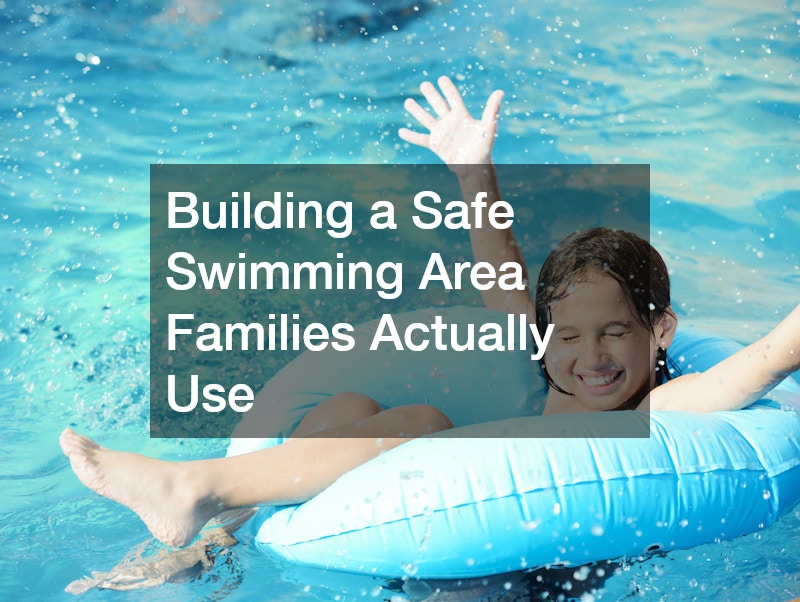
A backyard pool promises lazy afternoons and family memories, but too many pools end up covered and ignored because of cracked decks, cloudy water, or safety worries. The good news is that a swimming area families actually use isn’t about luxury upgrades. It’s about getting the fundamentals right. From the surface you walk on to the water you swim in, small decisions add up to a space that feels safe, comfortable, and worth the maintenance. This guide walks through the practical steps homeowners can take to turn a neglected pool area into the heart of summer.
Inspecting and Repairing the Pool Deck Surface
The pool deck is the first thing bare feet touch and the first thing that shows wear, so it deserves regular attention. Cracks, uneven sections, and flaking surfaces are not just cosmetic issues. They are tripping hazards that can turn a fun afternoon into an emergency room visit. Walk the entire deck barefoot once a season and pay attention to any spot that feels rough, sharp, or unexpectedly warm, since these often signal deterioration before it’s visible.
Most concrete decks develop hairline cracks over time due to shifting soil, tree root growth, and temperature swings that cause the material to expand and contract. A crack wider than a quarter inch or one that has a noticeable height difference on either side should be treated as a hazard, not a cosmetic flaw. Catching these issues early, while they’re still surface-level, prevents costly structural repairs down the line and keeps the deck from becoming a liability.
Beyond cracking, watch for spalling, where the top layer of concrete flakes or pops off, often from freeze-thaw cycles or poor finishing during the original pour. Also check drainage: water that pools instead of sloping away from the pool edge accelerates erosion underneath the slab and can undermine sections of decking over time. Simple fixes like epoxy crack fillers or resurfacing coatings handle minor issues, while sunken or heaving slabs usually call in a professional for mudjacking or full replacement.
Walk your pool deck a few times a year and look for early warning signs: hairline cracks wider than a quarter-inch, sections that rock underfoot, or puddles that linger long after everyone’s out of the water. These are the moments to schedule pool deck repair, not wait for the damage to spread. Catching problems early can mean the difference between patching a small area and tearing out an entire section.
A professional assessment matters because not all deck damage looks the same on the surface. What appears to be a simple crack could actually be a sign of soil erosion, poor drainage, or a shifting foundation underneath. An experienced contractor will check for these deeper issues before recommending a fix.
This distinction changes the entire repair approach. Surface-level issues like small cracks or discoloration can often be resolved with resurfacing or patching, typically finished within a day or two. Base-related problems, on the other hand, may require excavation, regrading, or new drainage solutions — a bigger investment, but one that prevents the same cracks from reappearing within a season or two.
- Look for cracks wider than a quarter inch, which often signal settling issues; also mark whether cracks are spreading over time, since active movement usually needs a professional assessment rather than a simple patch
- Check for standing water after rain, a sign of poor drainage or an uneven surface; puddles deeper than an eighth inch, twenty-four hours after rain, usually point to a low spot that needs regrading
- Test for slipperiness when wet, especially near ladders and steps, by walking the area barefoot in wet shoes or checking if the surface has lost its original texture or coating
- Inspect expansion joints for cracking or missing filler material, since gaps let water seep beneath the deck and accelerate cracking through freeze-thaw cycles
- Examine areas around drains and skimmers for erosion or sunken concrete, which can create tripping hazards and worsen drainage problems over time
- Note any discoloration or flaking on the surface, which may indicate the sealant has worn away and the deck needs resurfacing to prevent further deterioration
Choosing Durable Materials for Pool Surrounds

The material surrounding your pool affects everything from safety to how often you will need repairs. Concrete remains one of the most popular choices because it is affordable, customizable with color and texture, and holds up well when properly sealed and maintained. However, it does require periodic resealing to prevent water absorption that leads to cracking in freeze-thaw climates.
Beyond the basic pour, thoughtful hardscaping can transform a plain pool area into a functional living space. Adding tiered patios, built-in seating walls, or stone pathways not only improves the look but also directs foot traffic away from slippery zones near the water’s edge.
- Textured concrete reduces slip risk compared to smooth finishes
- Pavers offer easier spot repairs since individual pieces can be replaced
- Natural stone stays cooler underfoot but can be more expensive upfront
- Proper slope grading directs water away from the pool structure
Maintaining Water Chemistry Without the Guesswork
Families avoid pools that feel unpredictable, and cloudy or harsh-smelling water is one of the fastest ways to keep everyone inside. Balanced water chemistry is not complicated once you understand the basics of pH, alkalinity, and sanitizer levels. Testing twice a week during swim season helps you catch imbalances before they become visible problems like algae blooms or eye irritation.
Many homeowners are moving away from traditional muriatic acid because of the fumes and handling risks, opting instead for swimming pool acid alternatives that are gentler on skin and easier to store safely. These alternatives, such as dry acid granules or buffered pH reducers, still lower pH effectively but come with less risk of burns or damage to pool equipment during handling.
- Test pH, alkalinity, and chlorine or sanitizer levels at least twice weekly
- Store chemicals in a cool, dry, ventilated area away from direct sunlight
- Never mix different chemical types together during storage or application
- Consider granular alternatives if you have children helping with maintenance
Sourcing Supplies from a Reliable Chemical Retailer

Where you buy your chemicals matters almost as much as which ones you choose. A knowledgeable pool chemical store can help you understand dosing for your specific pool size, recommend products suited to your climate, and often test a water sample on the spot. This kind of guidance is especially valuable for new pool owners who are still learning how their system responds to weather changes and heavy use.
Buying from a specialty retailer instead of a general store also means fresher product, since chemicals lose potency over time when they sit on shelves too long. Ask staff about seasonal promotions on bulk purchases, since chlorine and shock treatments are often needed in larger quantities during peak summer months.
Deciding Between DIY Maintenance and Professional Service
Not every household has the time or interest to manage weekly testing, skimming, and filter cleaning, and that is perfectly fine. A dependable pool cleaning company can handle the routine work, from vacuuming the pool floor to balancing chemicals and inspecting equipment for early signs of wear. This frees up weekends for actually using the pool rather than maintaining it.
If you prefer to manage things yourself, build a simple weekly routine that covers skimming debris, brushing walls, emptying skimmer baskets, and checking the filter pressure gauge. Even families who hire outside help benefit from understanding these basics, since it helps you spot problems and communicate clearly with whoever services your pool.
- Weekly skimming prevents debris from sinking and staining the pool floor
- Brushing walls monthly reduces algae buildup in corners and steps
- Filter pressure readings above normal range often signal a needed cleaning
- Professional visits can catch pump and heater issues before they become costly
Evaluating Structural Repairs Beyond the Deck
Sometimes the issues families notice, like water loss or shifting tile lines, point to problems below the surface rather than simple deck wear. This is when it makes sense to bring in swimming pool contractors who specialize in diagnosing leaks, structural cracks, and plumbing failures within the pool shell itself. Catching these issues early is far less expensive than dealing with a fully drained pool and major shell repair down the line.
A reputable pool company will walk you through the diagnostic process, which often includes a dye test or pressure test on the plumbing lines before any repair work begins. Getting a written estimate and timeline upfront helps avoid surprises, especially since structural repairs can sometimes take longer than expected depending on weather and material availability.
- Watch for water loss exceeding a quarter inch per day beyond normal evaporation
- Look for cracked or lifting tile as a sign of shell movement
- Ask contractors about warranty terms on structural repair work
- Request references from recent similar jobs before committing
Protecting the Enclosure and Screening System
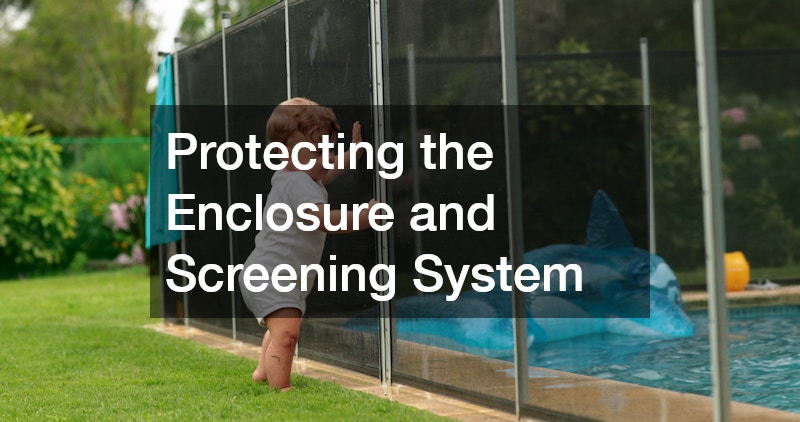
For pools with screened enclosures, torn or sagging screens are more than an eyesore. They let in bugs and debris, and reduce the sense of an enclosed, safe space that encourages kids to swim freely. Screen damage often comes from storms, falling branches, or simple age-related brittleness in the mesh material. A local pool screen repair company can typically patch small tears quickly, though extensive damage across multiple panels may call for a fuller rescreening project.
Regular inspection of the enclosure frame is just as important as the screen itself, since loose fasteners or corroded framing can compromise the whole structure during high winds. Scheduling an inspection each spring, before storm season ramps up, helps you address minor issues while they are still inexpensive to fix.
- Check for tears near frame edges, a common weak point
- Inspect fasteners and hinges annually for rust or looseness
- Address small tears promptly before they widen with wind exposure
- Consider heavier gauge mesh in storm-prone regions
Installing Fencing That Meets Safety Standards
A secure perimeter is one of the most important safety features any pool area can have, particularly for households with young children or pets. Most areas require fencing at least four feet high with self-closing, self-latching gates, but requirements vary, so checking local codes before installation is essential. Working with a local fence company that understands pool-specific regulations ensures your barrier actually meets code rather than just looking secure.
Material choice matters here too, since a fence needs to be durable enough to withstand pool-area humidity and chemical exposure without rusting or rotting. Aluminum and vinyl tend to hold up better than wood in wet environments, though wood can be treated and sealed for a more natural look if that fits your yard’s style.
- Confirm gate self-latching mechanisms function properly every few months
- Choose fence heights and gap spacing that meet local safety codes
- Consider mesh pool fencing as a removable alternative for temporary barriers
- Keep furniture and climbable objects away from fence perimeters
Building Long-Term Habits That Keep the Pool in Use
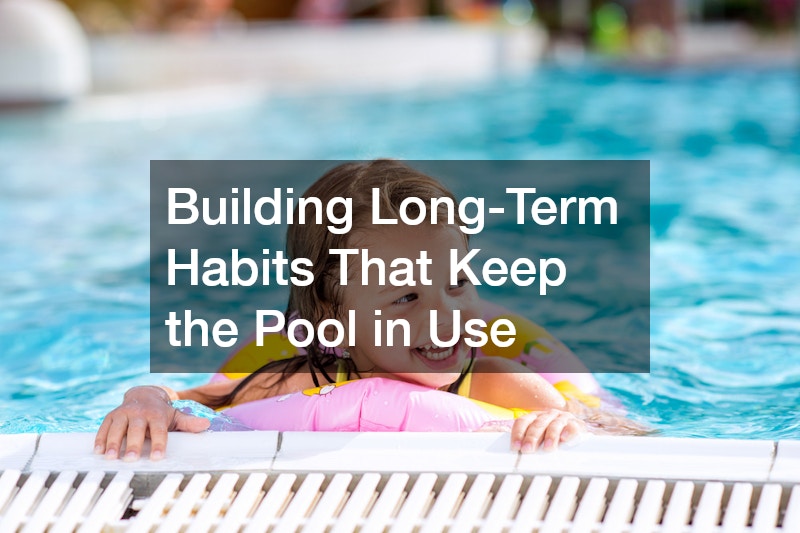
Even a perfectly maintained pool goes unused if it becomes a chore rather than a pleasure, so building simple habits matters as much as any repair or upgrade. Setting a recurring reminder for chemical testing, scheduling seasonal equipment checkups, and keeping a small maintenance log can prevent small issues from snowballing into major projects. Families who treat pool care as a routine, rather than an emergency response, tend to use their pools far more consistently throughout the year.
It also helps to involve the whole family in light upkeep tasks, like skimming leaves or checking that toys and floats are stored properly after each use. This shared responsibility keeps the space feeling cared for and encourages everyone to treat it as an extension of the home rather than an afterthought in the backyard.
A safe, welcoming pool area does not happen by accident. It comes from consistent attention to the deck, water, structure, and surrounding safety features. Start with a walk around your pool this weekend and note any cracks, tears, or fencing issues that need attention before summer gets busier. Addressing even one or two items on this list will move you closer to a swimming area your whole family actually wants to use.