
For the vast majority of individuals, a home represents both their largest lifetime financial investment and a sanctuary of personal security for their family. However, a residential property is also a complex structural ecosystem where mechanical components, structural foundations, environmental variables, and changing weather patterns continuously interact. When property upkeep is approached with a casual or reactive mindset, small anomalies that could have been easily corrected can rapidly cascade into major structural failures, severe environmental health hazards, or life-threatening residential emergencies.
To transform a home into an ironclad, safe environment, you must shift away from a simple “fix-it-when-it-breaks” perspective. True residential hazard mitigation requires a proactive and structured strategy that treats the home as an interconnected asset requiring predictive care. Every zone of the property, from the deep subsurface soils supporting the foundation to the exhaust flues venting toxic gases above the roofline, must be systematically monitored and maintained. By implementing a comprehensive, long-term safety plan, homeowners can eliminate hidden structural threats, insulate their property from extreme weather forces, eradicate toxic indoor air contaminants, and establish a healthy, resilient living space. This guide serves as the definitive manual for identifying domestic vulnerabilities, coordinating specialized trade contractors, and maintaining a genuinely safe residential property.
Fortifying Foundations and Managing Structural Integrity

The long-term safety and structural viability of any residential property depends entirely upon the stabilization of its lowest architectural element: the foundation. A home’s foundation does not sit on a static bed of rock; instead, it rests within a dynamic matrix of subsurface soils that expand and contract aggressively in response to varying moisture tables, seasonal droughts, and localized drainage patterns. When soil shifting occurs unevenly beneath a concrete slab or crawlspace footing, it introduces immense structural twisting forces that can crack load-bearing framing, fracture interior plumbing lines, and compromise the safety of the entire building.
Homeowners must train themselves to actively identify the early structural indicators of uneven foundation settlement long before a catastrophic failure occurs. These warning signs frequently include diagonal stair-step fractures across exterior brickwork, severe separations around window casings, and interior doors that suddenly bind or fail to latch within their frames. When these indicators manifest, attempting superficial cosmetic drywall patches is completely useless. Property owners must immediately engage a professional house leveling company to execute engineered structural remediation. Specialized foundation contractors utilize heavy hydraulic piering systems driven deep into stable subterranean load-bearing strata to level, lift, and lock a sagging foundation back into its original architectural plane, permanently stabilizing the building shell.
- Audit external grading profiles: Ensure that all exterior soil beds slope downward and away from your foundation walls at a minimum drop of six inches over the first ten horizontal feet to prevent water from pooling against concrete footings.
- Control subsurface moisture retention: Install specialized foundation watering lines or advanced root barriers to prevent large perimeter trees from drawing massive quantities of moisture out of the clay soils directly beneath your slab.
- Maintain unhindered gutter drainage lines: Clear all roof gutters regularly and extend downspout discharge portals at least six to eight feet away from your foundation perimeter to eliminate structural soil erosion hazards.
Eliminating Toxic Fire Risks and Internal Airborne Hazards
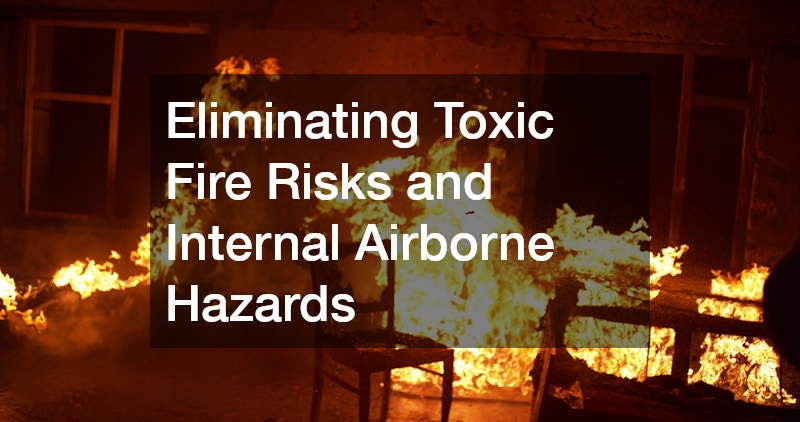
Protecting a residential living environment requires a vigilant approach to the elimination of toxic fire risks and hidden indoor atmospheric hazards. Among the most dangerous and frequently neglected ignition zones inside a home are the solid-fuel exhaust systems serving wood-burning stoves and traditional fireplaces. As wood burns, it naturally releases unburned hydrocarbons, moisture, and smoke particles that cool as they ascend the exhaust flue, condensing into a highly flammable, tar-like chemical residue known as creosote.
If this sticky substance is allowed to accumulate over consecutive heating seasons, a single stray spark can ignite a roaring chimney fire that burns at temperatures exceeding two thousand degrees Fahrenheit, easily splitting clay flue tiles and spreading fire into adjacent attic spaces. To neutralize this structural threat, homeowners must establish strict preventative maintenance schedules with professional chimney cleaning services. Certified technicians utilize specialized mechanical brushes and chemical dissolvers to strip away hardened creosote, bird nests, and physical blockages, keeping your exhaust lines clear. Conversely, if a household has already experienced a localized combustion accident or a major electrical failure, the immediate priority shifts to intensive physical restoration to handle the destructive aftermath of a localized fire damage event. Lingering soot residues are highly acidic and chemically complex; they will permanently corrode metal fixtures, yellow synthetic finishes, and continuously release carcinogenic airborne particulates into the home. Overcoming this toxic threat requires a comprehensive remediation sweep that strips scorched structural framing, cleans contaminated HVAC ductwork, and applies specialized smoke-odor sealing agents before the home is certified safe for human re-entry.
- Install dual-sensor smoke detection arrays: Equip every floor, sleeping area, and mechanical space with interconnected smoke detectors that utilize both photoelectric and ionization sensors to catch both smoldering and fast-burning fires.
- Execute terminal dryer vent cleaning cycles: Clean your clothes dryer’s internal lint traps and flexible metal exhaust tubes annually, as packed clothing fibers represent a leading cause of localized appliance fires.
- Upgrade HVAC air filtration metrics: Utilize premium MERV 13 or higher air filters inside your central climate control units to continuously extract microscopic soot particles, airborne mold spores, and toxic dust from your family’s breathing zone.
Hardening Environmental Health and Pest Exclusion Barriers
The environmental safety of a residential property is continuously threatened by invasive biological vectors and deep-seated microscopic allergens that colonize interior living spaces. Among the most destructive and health-compromising hazards a family can encounter are widespread infestations of structural pests, such as rodents and wood-destroying insects. These biological invaders are not merely a visual nuisance; they actively carry dangerous pathogens, contaminate food supplies, chew through electrical wiring insulations, and release specialized airborne proteins that can trigger chronic respiratory issues in children.
Dismantling an advanced biological intrusion requires shifting away from basic, consumer-grade aerosol sprays, which often do nothing more than drive pests deeper into structural wall cavities. Homeowners must deploy an Integrated Pest Management framework that focuses heavily on structural exclusion, moisture containment, and precise targeted elimination. If tracking indicators point to an active, deep-seated infestation, retaining a licensed technician specialized in cockroach control is the most effective path to safety. Professional operators utilize non-repellent gel baits and growth regulators placed inside hidden utility chases, systematically destroying the colony’s reproductive cycle without exposing human occupants to broad-chemical sprays. Simultaneously, maintaining environmental health requires addressing the dense accumulation of dust mites, shed skin cells, and microscopic pet dander buried deep within fibrous interior materials. Over time, heavy foot traffic drives these allergens deep into floor coverings, where standard vacuuming cannot extract them. Forcing a thorough decontamination of these soft surfaces by hiring professional, hot-water extraction carpet cleaners at least once a year systematically flushes away buried biomatter, purges the backing pads, and restores an exceptionally clean foundation for indoor air health.
- Seal perimeter structural entry vectors: Utilize a combination of high-density copper mesh and premium expanding polyurethane foam to plug every tiny utility opening, crawlspace vent gap, and baseboard seam around the property.
- Control internal humidity hot spots: Keep your home’s indoor relative humidity levels strictly below fifty percent using heavy-duty dehumidifiers to prevent mold cultivation and starve insects of vital moisture.
- Enforce clean food containment habits: Store all dry food stocks inside thick, airtight borosilicate glass or hard plastic containers, and never leave unwashed pet bowls sitting out overnight.
Optimizing Household Waste Systems and Exterior Grounds Sanitation

The external grounds surrounding a residential property act as the first line of defense for overall household safety, security, and sanitation. When the management of domestic waste streams, exterior drainage paths, and organic debris is neglected, the exterior perimeter of a home can quickly transform into a highly hazardous zone. Piles of unmanaged household trash and organic waste emit strong chemical odors and release organic fluids that attract predatory wildlife and disease-carrying rodents directly to your home’s back doors.
To keep your perimeter clean and safe, you must establish an unyielding external sanitation routine. This requires utilizing heavy-duty, animal-resistant waste bins equipped with locking lids, washing the containers out regularly with eco-friendly sanitizing solutions, and timing your waste disposal perfectly to align with your local municipal garbage pickup service. Allowing bags of household refuse to sit loosely on curbsides or inside unsealed exterior bins for days at a time creates a major biological hazard and invites local vector contamination. Beyond managing household waste streams, homeowners must also recognize when heavy property maintenance tasks exceed the capabilities of basic weekend chores. For intense deep-cleaning projects, such as power washing slick, mold-covered concrete paths, sanitizing deep basement spaces, or handling post-construction debris, smart property owners delegate these tasks to professional cleaning companies. Outsourcing heavy exterior and interior sanitization to fully insured specialists guarantees that high-risk surfaces are restored to a clean state without exposing your family to hazardous chemical runoff or physical strain.
- Establish dedicated concrete trash pads: Store your external waste containment bins on a dedicated, elevated concrete pad situated away from your primary structural doors to prevent pests from burrowing underneath.
- Clear organic perimeter yard waste pools: Remove heavy accumulations of damp autumn leaves, rotting wood piles, and overgrown brush from your yard, as these damp piles provide ideal breeding grounds for ticks and mosquitoes.
- Maintain clear exterior drainage swathes: Routinely check and clear rocks, soil deposits, and organic debris from all French drains and surface swales to ensure heavy rains exit your property safely.
Preparing for Climate Extremes and Grid Vulnerabilities
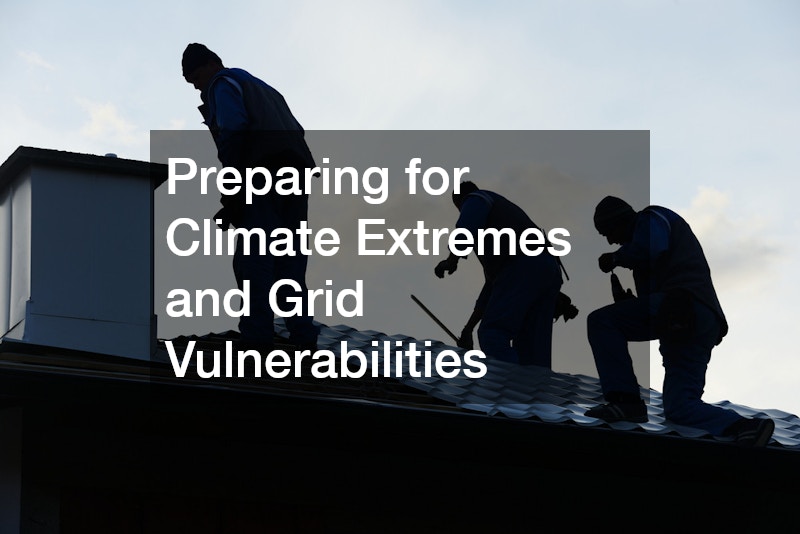
The ultimate test of a home’s hazard-free status occurs during periods of severe climate extremes and unexpected regional utility grid infrastructure failures. Whether facing high-velocity coastal winds, severe winter blizzards, or widespread regional electrical blackouts, a home’s outer envelope and alternative mechanical systems must be engineered to withstand immense structural loads and maintain an independent, self-sustained environment for its occupants.
When preparing a property to survive severe coastal weather or high-impact localized storms, you must focus on reinforcing the weakest points of entry on your building envelope. Upgrading standard, fragile entryways with high-impact, steel-reinforced hurricane doors prevents extreme exterior atmospheric pressure drops from breaching the interior of the home, a critical failure that frequently results in immediate roof blowouts and total wall collapses during high-wind events. Conversely, when winter weather systems drop massive quantities of heavy, frozen precipitation across northern regions, the primary hazard shifts toward structural weight overloads and severe slip-and-fall liabilities on your walkways. Homeowners must coordinate reliable, professional snow removal services to rapidly clear driveways, pedestrian sidewalks, and vulnerable flat roof sections. Allowing heavy snow and thick sheets of ice to accumulate unchecked on your roofs can easily cause structural beams to buckle, while creating thick ice dams that force melting water backward under your shingles, causing devastating interior ceiling leaks. Finally, to insulate your household against a total collapse of the regional electrical grid, you must establish an independent power solution. Investing in a professional standby generator installation featuring an integrated automatic transfer switch ensures that the moment municipal electricity drops, your home instantly powers up its critical well pumps, medical equipment, refrigeration systems, and heating loops, protecting your family through prolonged emergencies.
- Install double-pane impact window glazing: Outfit your home’s window frames with laminated impact-resistant glass to prevent shattering from high-velocity airborne storm debris.
- Apply specialized winter roof heat cables: Install self-regulating electrical heating cables along your roof’s eaves and downspouts to prevent the formation of destructive ice dams during sub-freezing weather.
- Execute routine emergency backup testing: Run and load-test your backup standby energy systems for at least fifteen minutes every month to verify that all mechanical fuel pumps and automated switches operate flawlessly before a real disaster strikes.
Transforming a residential property into a permanently hazard-free home is an ongoing exercise in proactive leadership, structured risk management, and rigorous property maintenance. As this comprehensive operational blueprint demonstrates, a safe and healthy living environment is never the result of luck or superficial cosmetic fixes. Instead, it is a reward earned by diligent homeowners who systematically analyze their properties through a lens of preventative care, remedying foundation vulnerabilities, clearing critical exhaust lines, establishing clean waste streams, and hardening the building envelope against extreme climate forces. By treating home maintenance as a dynamic, interconnected system, you safeguard your largest financial asset and create a haven for your family.
As you move forward to implement these safety strategies, choose to move away from a passive stance and embrace an active, predictive maintenance routine. Do not wait for a foundation crack to warp your structural framing, for an unmaintained flue to ignite a fire, or for a severe winter storm to expose vulnerabilities in your electrical backup systems. Take the direct initiative this week to establish your household’s safety checklist: examine your exterior property drainage, check your window and door safety seals, audit your pest exclusion barriers, and interview certified local contractors to handle complex infrastructure needs. By taking absolute ownership of your property’s health and safety parameters today, you erase unexpected maintenance crises, maximize your property’s structural lifespan, and ensure a resilient, thriving home for generations to come.