Getting from point A to point B isn’t always as simple as hopping into a car and turning the key. For many individuals, mobility challenges, medical conditions, or a lack of personal transit options make even a routine trip feel like an insurmountable hurdle. While emergency vehicles are reserved for life-threatening crises, there’s a vast middle ground where people just need reliable, structured help to reach their destinations safely. This is exactly where non-emergency transportation services step in to bridge the gap. By offering tailored assistance and specialized vehicles, these services ensure that no one is left stranded due to physical or logistical barriers.
Let’s look at four common situations where utilizing these specialized transport options can make an immense difference in daily life.
1. Managing Chronic Conditions and Regular Medical Visits
Living with a chronic health issue often means keeping a packed calendar of medical appointments. Whether it’s undergoing routine dialysis treatments, attending physical therapy, or receiving regular oncology care, consistency is vital for successful health outcomes. However, arranging a ride for multiple appointments each week puts a heavy burden on family members and friends who have their own work commitments. Turning to non-emergency transportation services provides a dependable solution that removes the guesswork from scheduling. These providers specialize in timely arrivals and departures, meaning patients don’t have to worry about missing their slots or waiting hours for a ride home. Drivers are often trained to understand the specific physical needs of their passengers, ensuring a smooth and comfortable ride that reduces the physical strain of frequent travel. This continuous support helps individuals maintain their treatment plans without the anxiety of wondering how they’ll get to the clinic. It builds a reliable routine that keeps health management on track and takes the logistical pressure off the entire household.
2. Navigating Post-Surgery Recovery Safely
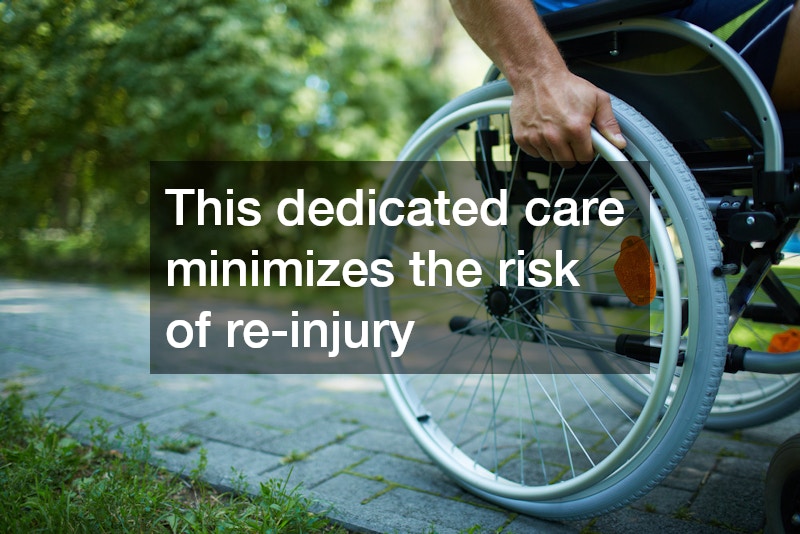
The period immediately following a surgical procedure is a vulnerable time. Patients are often dealing with grogginess from anesthesia, managed pain, and strict instructions from doctors to avoid driving. Even if a surgical center allows a patient to leave in a standard rideshare, those vehicles don’t offer the physical support required after an invasive procedure. Utilizing professional non-emergency transportation services during this recovery window ensures that the transition from the hospital bed to the living room is handled with care. Drivers can assist individuals who have limited mobility due to casts, braces, or severe soreness. They know how to help passengers enter and exit the vehicle without disrupting incisions or causing unnecessary discomfort. This dedicated care minimizes the risk of re-injury during transit, giving both the patient and their medical team peace of mind while they focus entirely on healing. Having a professional manage the ride home means patients don’t have to navigate steps, steep curbs, or tight vehicle entries alone during a critical phase of recovery.
3. Assisting Seniors Who Want to Maintain Independence
As people age, changes in eyesight, reflexes, and cognitive health often mean giving up the car keys. While stopping driving is a safe choice, it can lead to feelings of isolation and a loss of independence for seniors. Relying solely on public transit isn’t always feasible, especially if the nearest bus stop is blocks away or if the individual uses a walker or wheelchair. Professional non-emergency transportation services offer older adults a way to maintain their freedom without compromising safety. Whether it’s a trip to the grocery store, a haircut, a social gathering, or a routine checkup, these services provide door-to-door or bed-to-bed assistance. This level of support ensures that seniors can continue engaging with their communities and managing their personal errands without feeling like they are imposing on busy relatives. It keeps them connected to their social lives, which is just as important as keeping their medical appointments. Maintaining social connections helps prevent loneliness and keeps older adults active and engaged with the world around them.
4. Accommodating Wheelchair and Specialized Mobility Needs
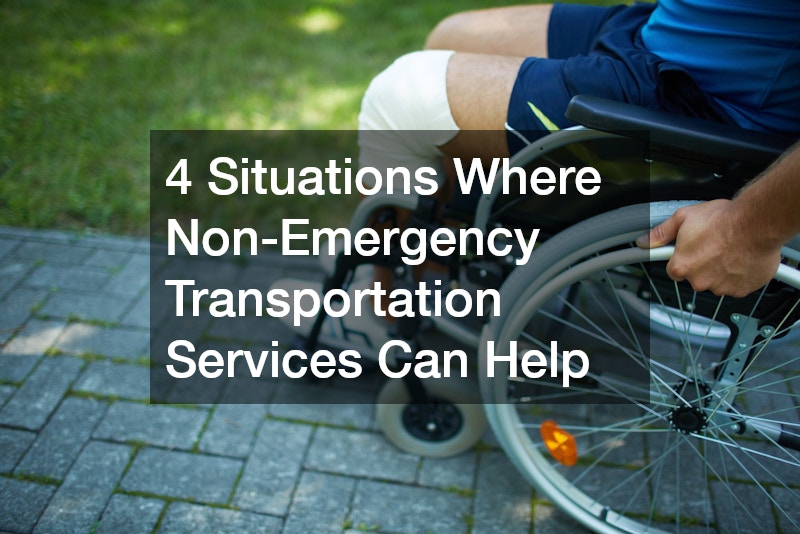
Standard vehicles simply aren’t built to accommodate specialized mobility equipment comfortably. Trying to fold a heavy wheelchair into a trunk and lift an individual into a standard car seat can be dangerous for both the passenger and the caregiver. When specialized equipment is part of daily life, non-emergency transportation services become an absolute necessity. Providers utilize fleets equipped with hydraulic lifts, ramps, and secure fastening systems that keep wheelchairs firmly in place during the journey. This eliminates the need for stressful transfers out of the chair, allowing the passenger to remain seated comfortably throughout the ride. It opens up opportunities for individuals with complex mobility challenges to travel safely to distant family gatherings, special events, and essential appointments that might otherwise be completely inaccessible. Choosing specialized transit ensures that physical boundaries don’t limit someone’s ability to participate fully in life’s important moments.
Reliable transportation is a fundamental part of maintaining health, independence, and overall quality of life. When driving isn’t an option due to age, medical recovery, or physical limitations, finding an alternative shouldn’t be a source of stress. The availability of non-emergency transportation services ensures that individuals have access to safe, dignified, and reliable travel options tailored to their specific situations. By relying on trained professionals and properly equipped vehicles, passengers can focus on their health and personal goals rather than worrying about the logistics of the journey. Whether it’s a short trip down the street or a longer ride to a regional medical facility, these services provide a vital lifeline that keeps communities connected and healthy. Investing in professional transit options offers a reliable path forward for families seeking peace of mind and safety for their loved ones.